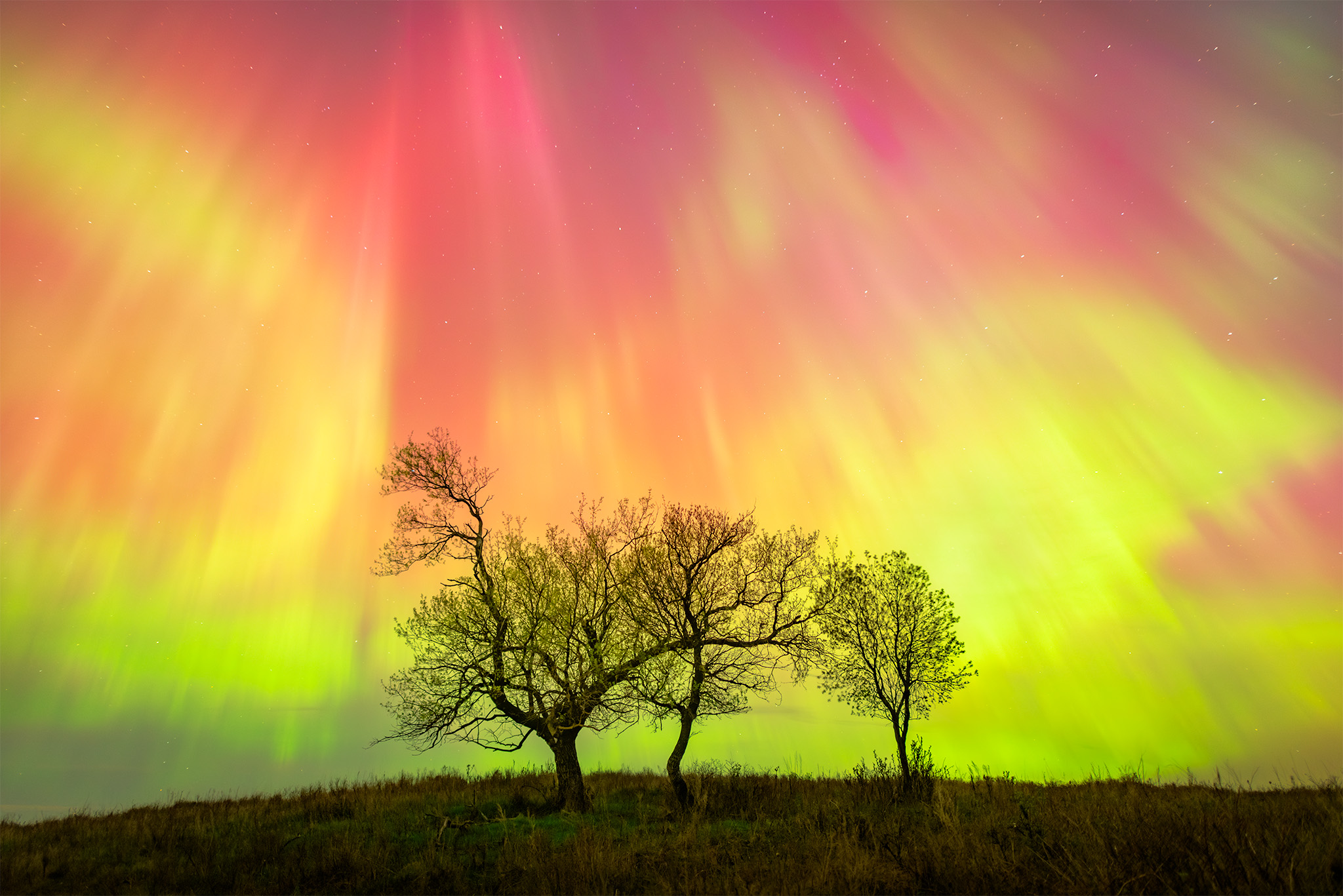
From the ancient, sun-drenched badlands of the south to the rugged granite waterfalls of the northern Shield, Saskatchewan is a premier destination for world-class landscape photography. In this ultimate guide, a local professional landscape photographer reveals the province’s most iconic locations and hidden gems, providing the technical insights and seasonal timing you need to capture the “Land of Living Skies.”
Often overlooked, Saskatchewan is a premier destination for landscape photography. From the rugged badlands of Grasslands National Park to the thundering Nistowiak Falls in the north, Saskatchewan boasts a range of photogenic locations waiting for you to explore.
While it has the reputation of being the “flat” and “boring” Canadian province, its dramatic landscapes and iconic “Land of Living Skies” offer incredible creative diversity for nature photographers. In this ultimate guide, we will visit the best photography locations in Saskatchewan. As a local landscape photographer, I will also offer insights into what you can expect to see, what equipment to bring, and other ways to enhance your photography adventure.
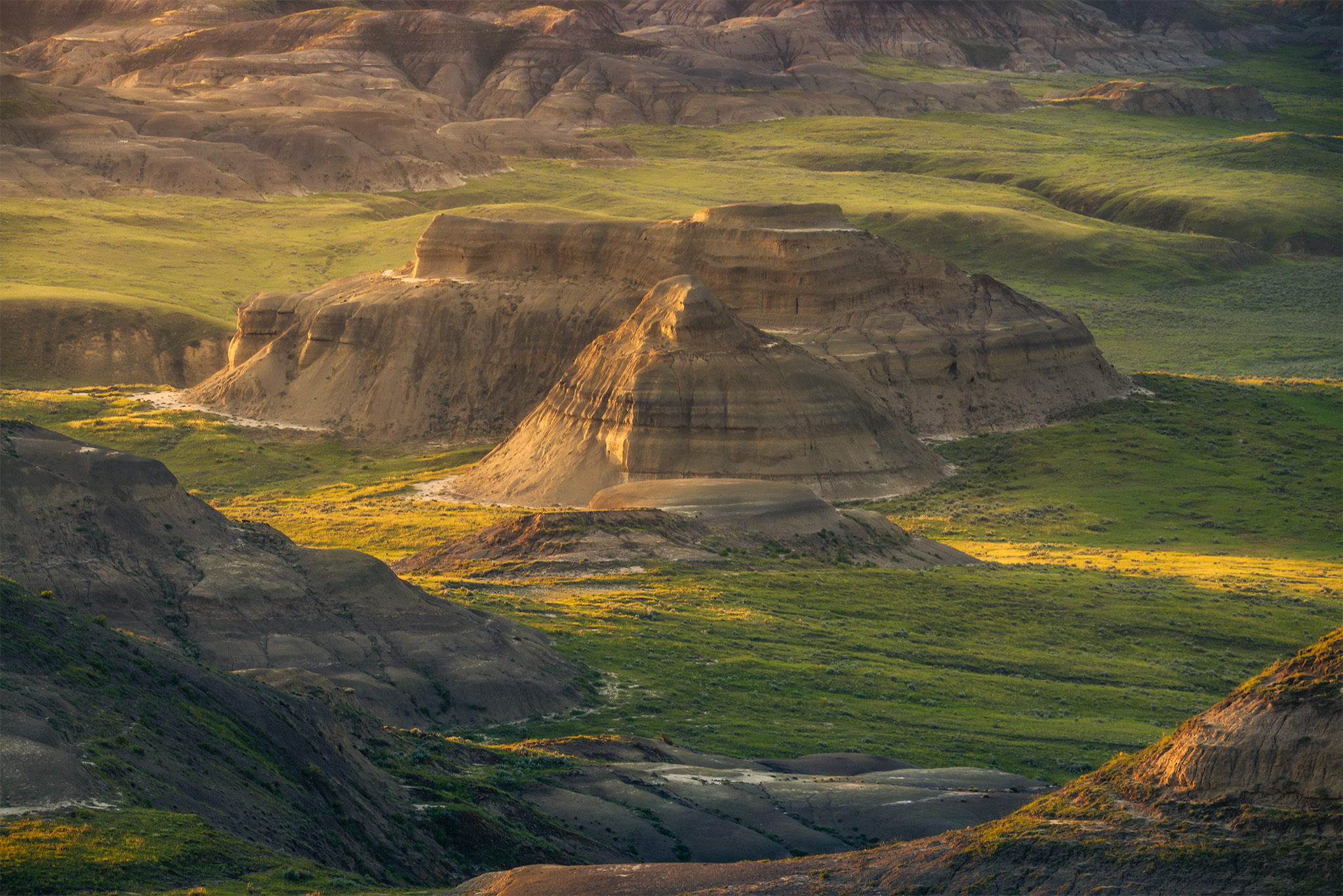
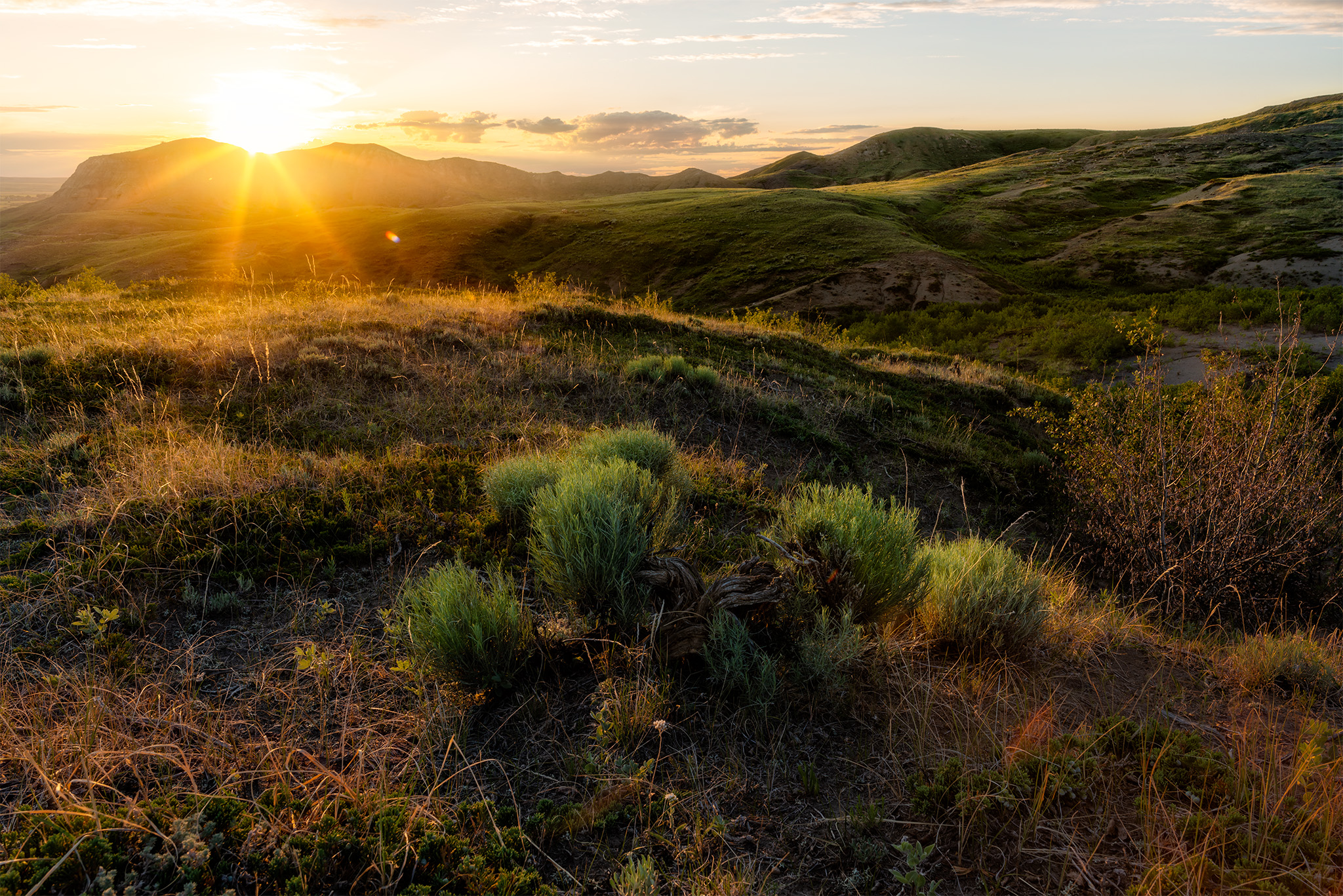
Tucked into the southwestern corner of Saskatchewan lies Grasslands National Park, a true hidden gem for landscape photography. Located about 90 minutes south of Swift Current, the West Block’s diverse terrain spans from expansive prairie grasslands, the winding Frenchman River Valley, and ancient, rugged buttes.
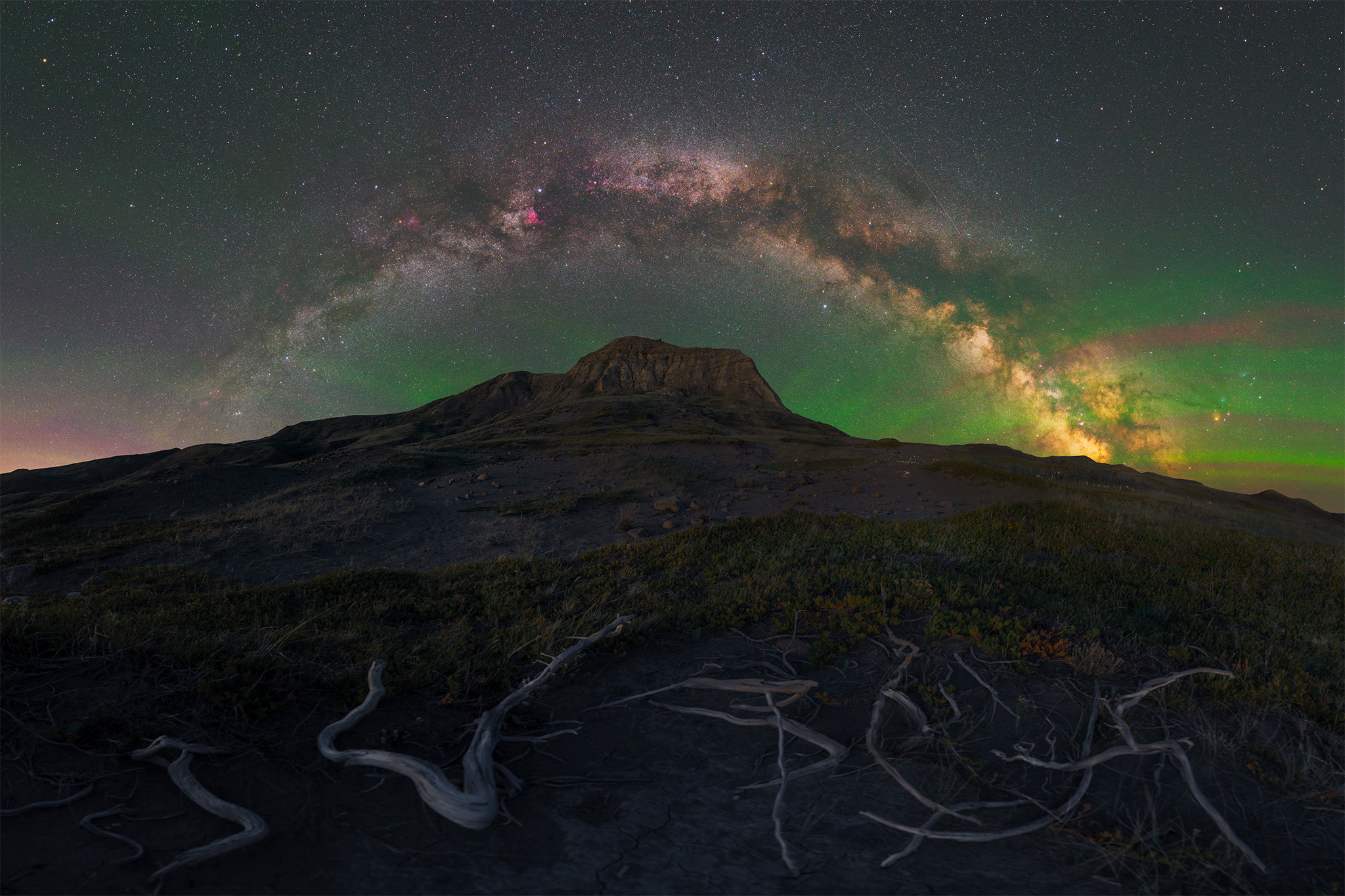
While many visitors come to see the herd of more than 400 plains bison, prairie dog colonies, and burrowing owls, landscape photographers are drawn to this Canadian National Park for its topography and night skies. Renowned as one of North America’s largest and darkest Dark Sky Preserves, Grasslands National Park is arguably Canada’s premier location for astrophotography and for capturing the Milky Way.
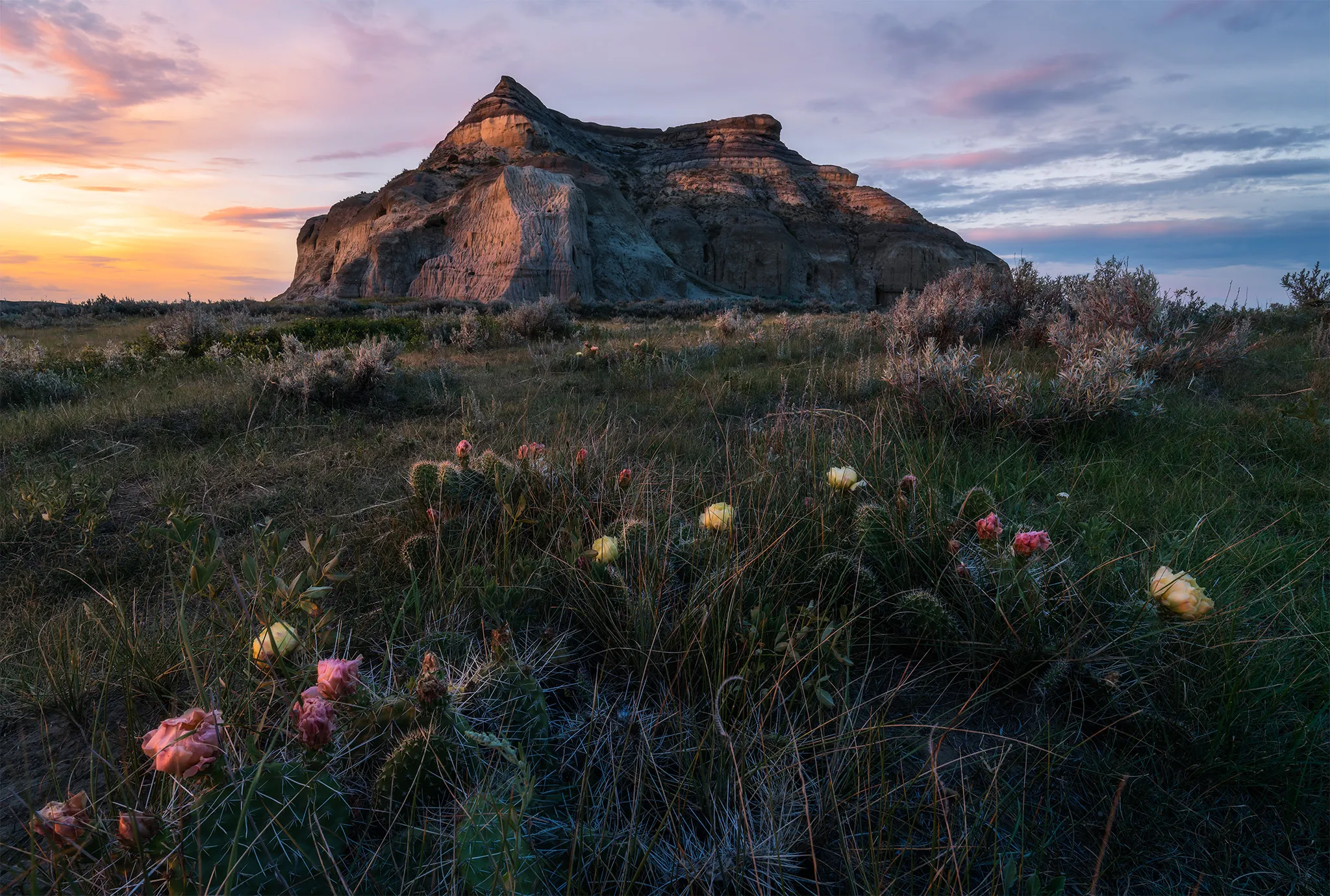
Rising prominently above the prairie, Eagle Butte is visible almost immediately as you head south from the visitor center in Val Marie.
Sharing the same trailhead as Eagle Butte, the trail to 70 Mile Butte continues south and is the “crown jewel” for visitors and photographers alike.
The valley bottom offers a completely different aesthetic compared to the high buttes.
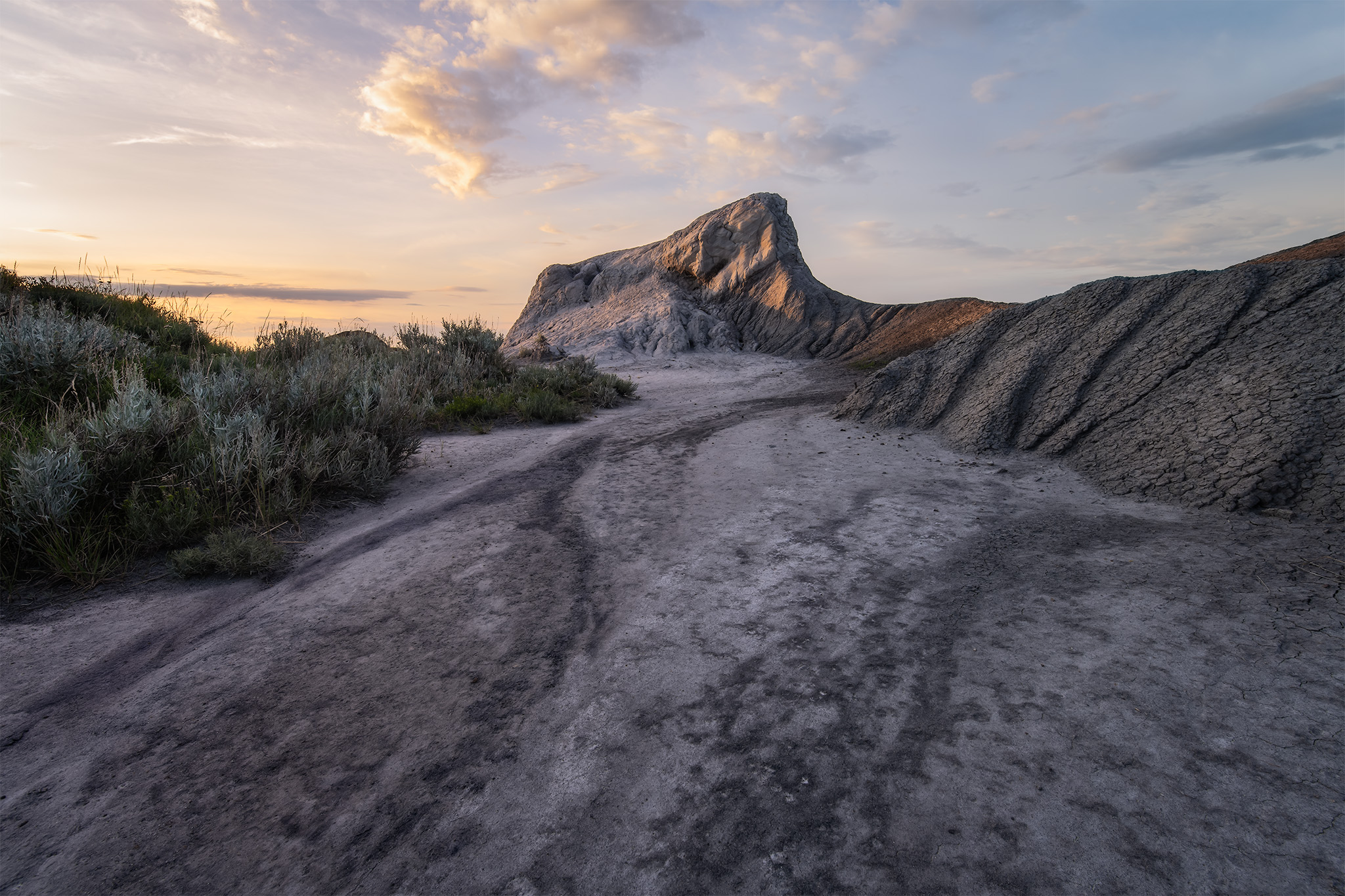
Grasslands National Park is so diverse that I included it twice. Nearly 200km east of the Val Marie Visitors Center (which hosts the West Block) is the East Block of Grasslands National Park. While I could describe the West Block as a quiet, peaceful prairie experience, the East Block has a gritty, rugged character that makes you feel as if you have stepped back into the Jurassic period. And it’s no wonder; as you photograph the layers of the Rock Creek Badlands, you’re actually standing on one of Canada’s richest fossil beds
Access the East Block via the town of Rockglen or the village of Wood Mountain. Look for signposts indicating the location of Grasslands National Park East Block. The road into East Block is gravel with no cell service. This is a remote part of the province, so you bring whatever supplies you need.
The Rock Creek Badlands is a land of adventures, and the Valley of 1000 Devils hike is as epic as it sounds
Maybe that sounds “too epic” and is not really your speed. Parks Canada considered this several years ago and paved a Parkway on the other side of the valley that gives access to several breathtaking views of the Rock Creek Badlands.
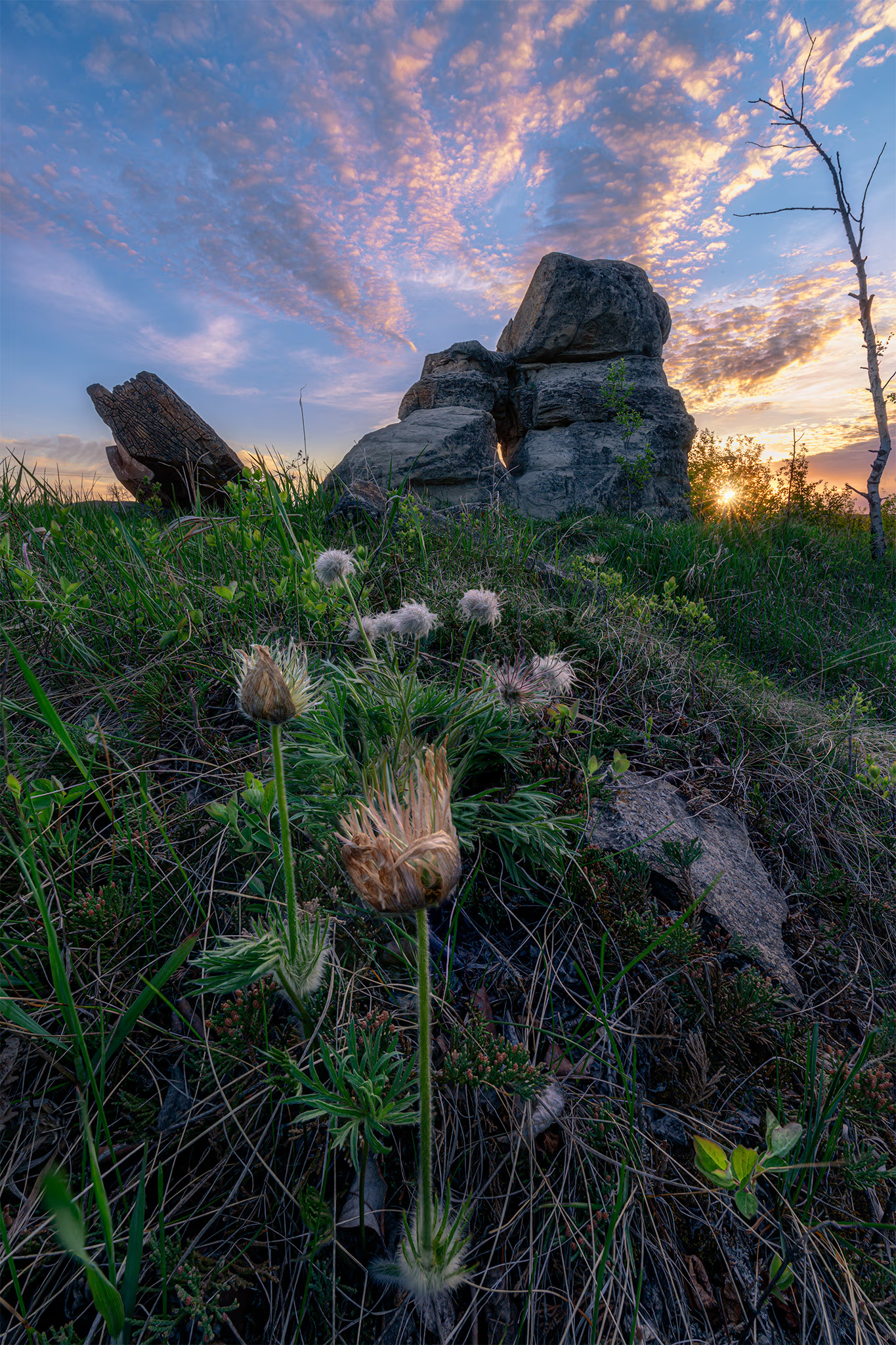
Plan your trip for late May through early July. This specific window is the “sweet spot” for several reasons:
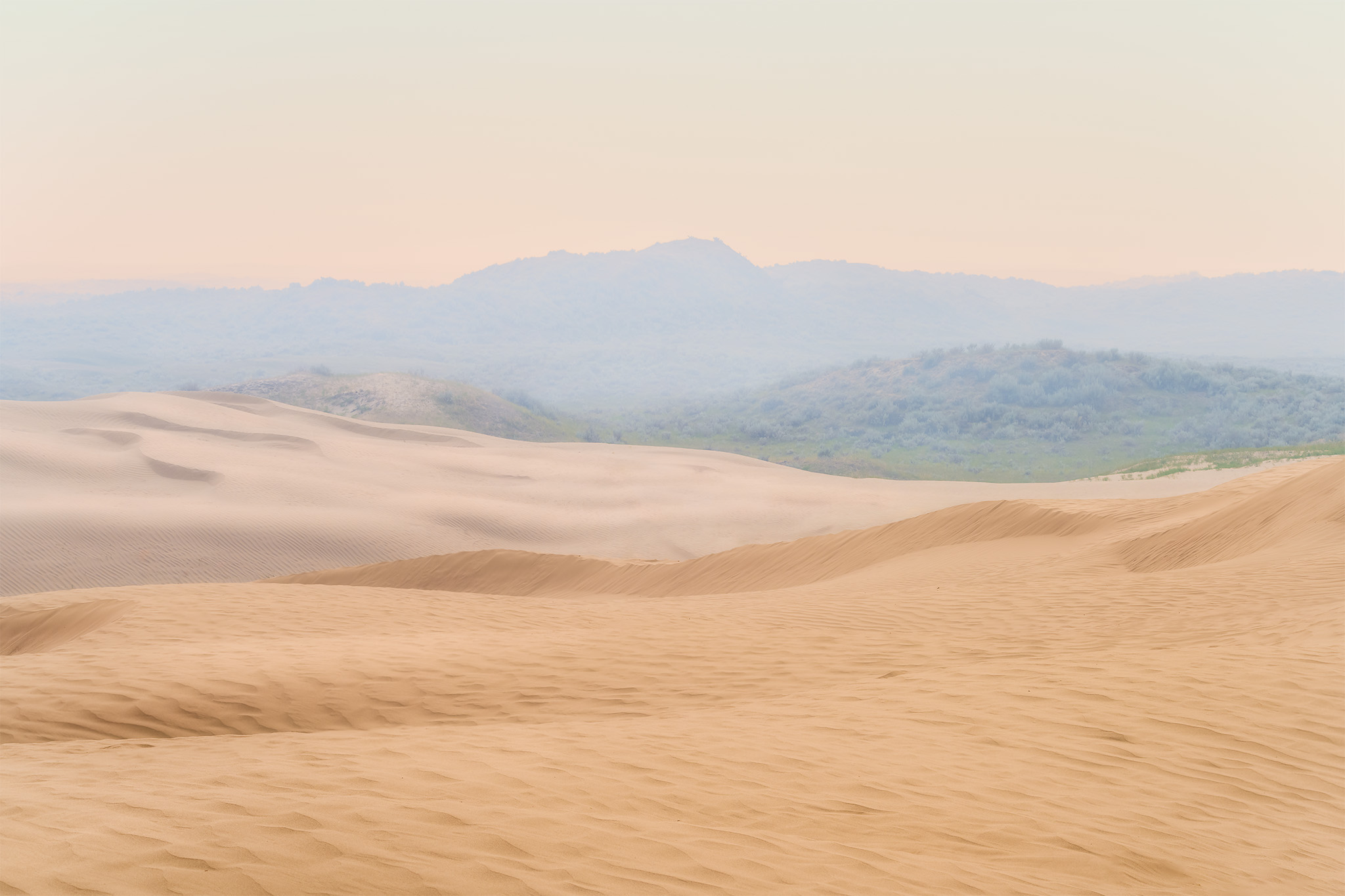
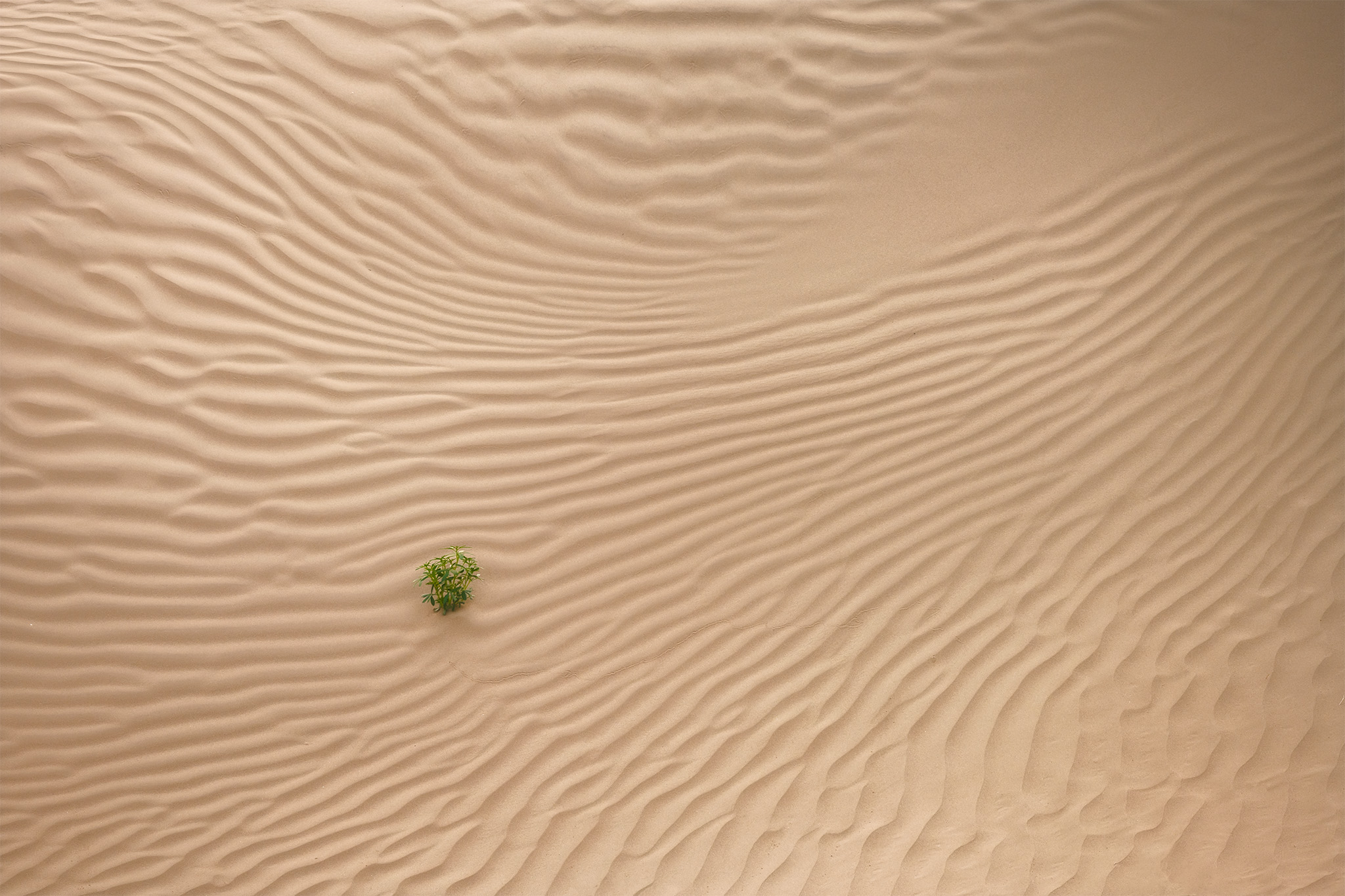
There is nowhere in Saskatchewan that gets the creative juices flowing quite like the Great Sandhills. Located in the southwest near the town of Leader and the village of Sceptre, this conservation area protects 1,900 square kilometres of active, desert-like dunes.
While much of the area is stabilized by native grasses, old cottonwood trees, and aspen groves, the pockets of exposed, shifting sand feel like something out of Dune or Death Valley in California. The primary difference? You might be the only photographer for hundreds of kilometres.
Unlike the national parks, the Sandhills don’t have marked trails. This is a location for exploration. However, there is one primary access point that serves as the gateway to the most photogenic dunes.
The very things that make the Great Sandhills in Saskatchewan photogenic, wind and sand, are the natural enemies of camera equipment.
If the wind has been blowing hard all day, the dunes will be ‘reset.’ This is the best time to go, as all the footprints from previous visitors will be erased, leaving you with pristine, untouched ripples for your compositions.
Much of the land surrounding our best photography spots is either protected conservation land or active grazing leases.
Use official access points and trailheads when exploring. Venturing onto private property without prior permission is disrespectful and may lead to trespassing charges.
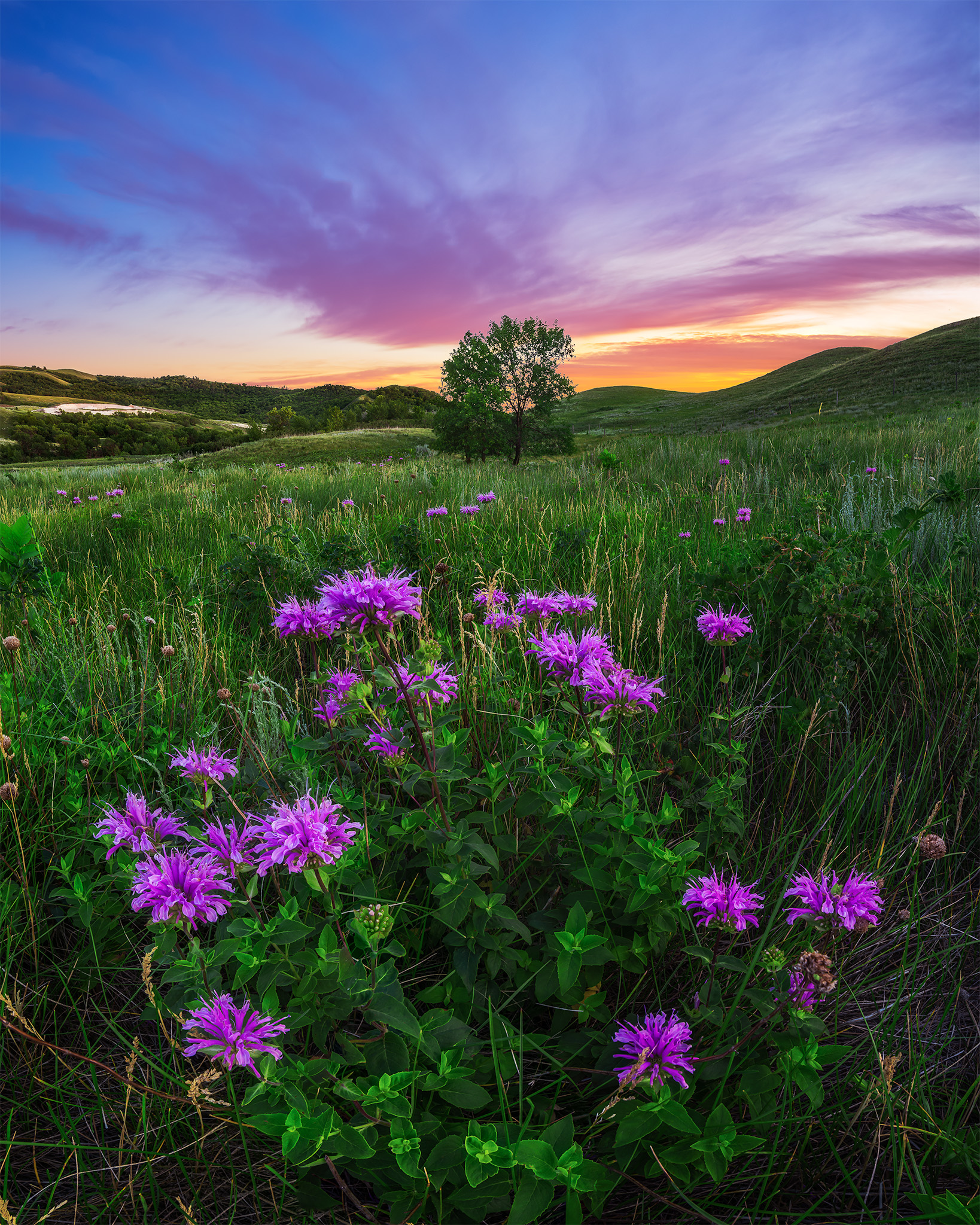
Practice the “pack it in, pack it out” rule by removing all trash and avoiding the picking of native wildflowers during your shoot. Maintaining the integrity of these blooms ensures they remain for future visitors and continue to seed the prairie for years to come.
Give cattle plenty of space if you encounter them on the road or within active grazing pastures. If you must open a gate to access a trail, always ensure you leave it exactly as you found it to keep livestock secure.
Cypress Hills is a high-plateau oasis that defies the “flat” prairie stereotype. As the highest point in Canada between the Rockies and Labrador, it features lush lodgepole pine forests, rolling hills, and lakes that draw photographers seeking serenity and unique biodiversity. Whether you’re looking for intimate forest macros or grand, sweeping vistas, the “Hills” are a must-visit.
Whispering Pines is a favourite trail of mine. Whenever I am in the Park, I hit this trail to enjoy a slower kind of photography.
One of the best sunset spots in Saskatchewan. At 1281 meters, it offers a vantage point that is significantly higher than the surrounding plains.
Landscape photographers live and die with good light. It is the pursuit of light that moves us further into the landscape. But does photographing amazing light always translate to amazing photographs? Most of us know that is rarely the case. Light alone cannot carry your photograph. A good landscape photograph is made up of two halves: light and image composition. No matter what you end up photographing, how you compose your image is very important. So, understanding what image composition is, how to support your subject, and 5 approaches to use in the field, will give you the tools to create stunning landscape photos. Enroll in this 5-day course by filling out the form below.

Download this FREE, 5-day landscape photography course on image composition in landscape photography. Learn, via email, about image composition, the importance of a subject, how to arrange successful images, and my 5 favourite approaches in the field.
Continuing our journey through the south, we enter the many valleys of Saskatchewan. These remote valleys offer a dramatic contrast of weathered sandstone formations, expansive vistas, and hidden coulees. Because many of these areas lack formal park boundaries, the best photography spots aren’t always obvious, making it a true playground for those willing to adventure.
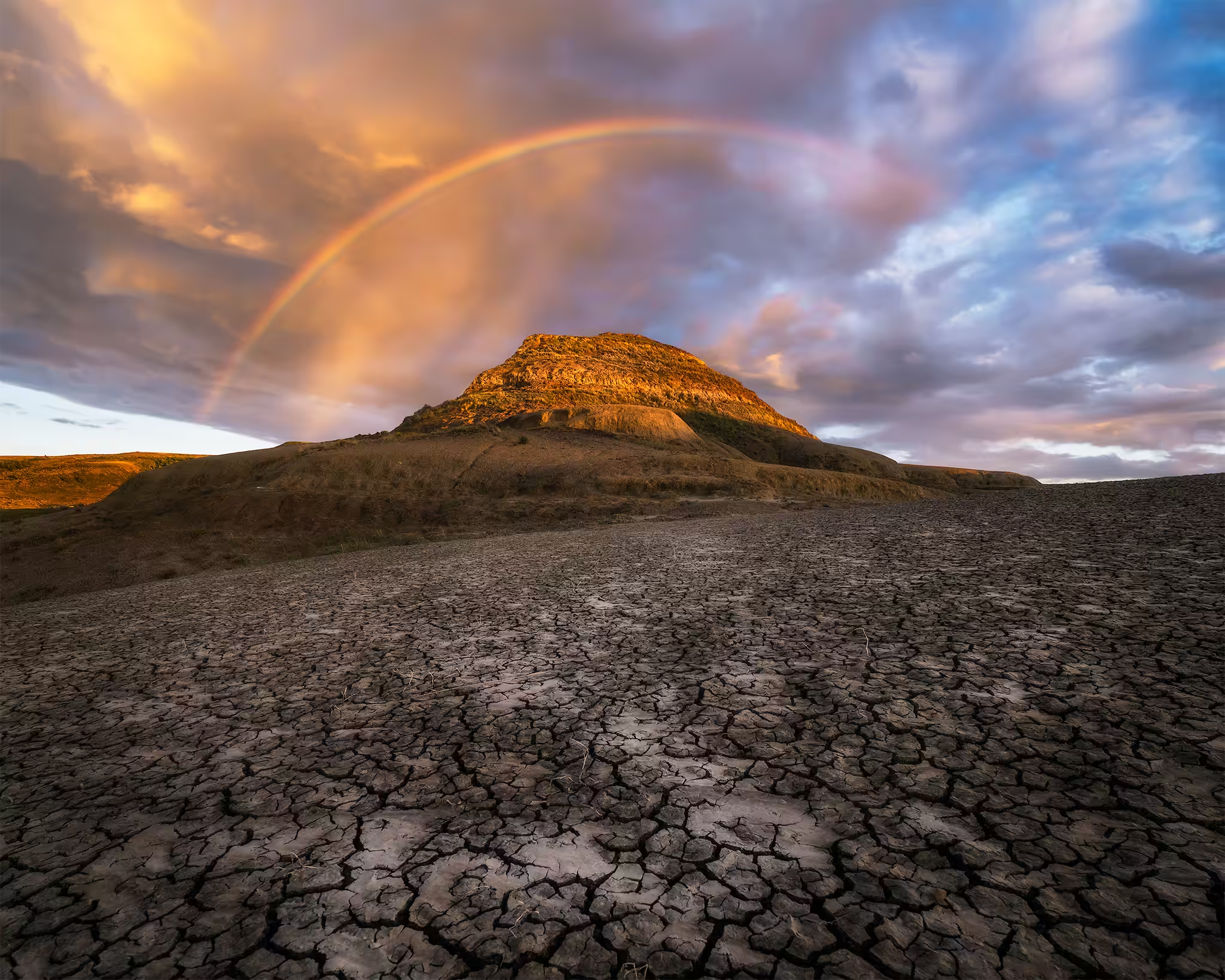
An undisputed icon of the Saskatchewan prairies, this 60-meter-high relic of the ice age towers over the Big Muddy Valley.
Located in the southeast corner of the province, Roche Percee is a geological hidden gem famous for its delicate sandstone hoodoos and arches.
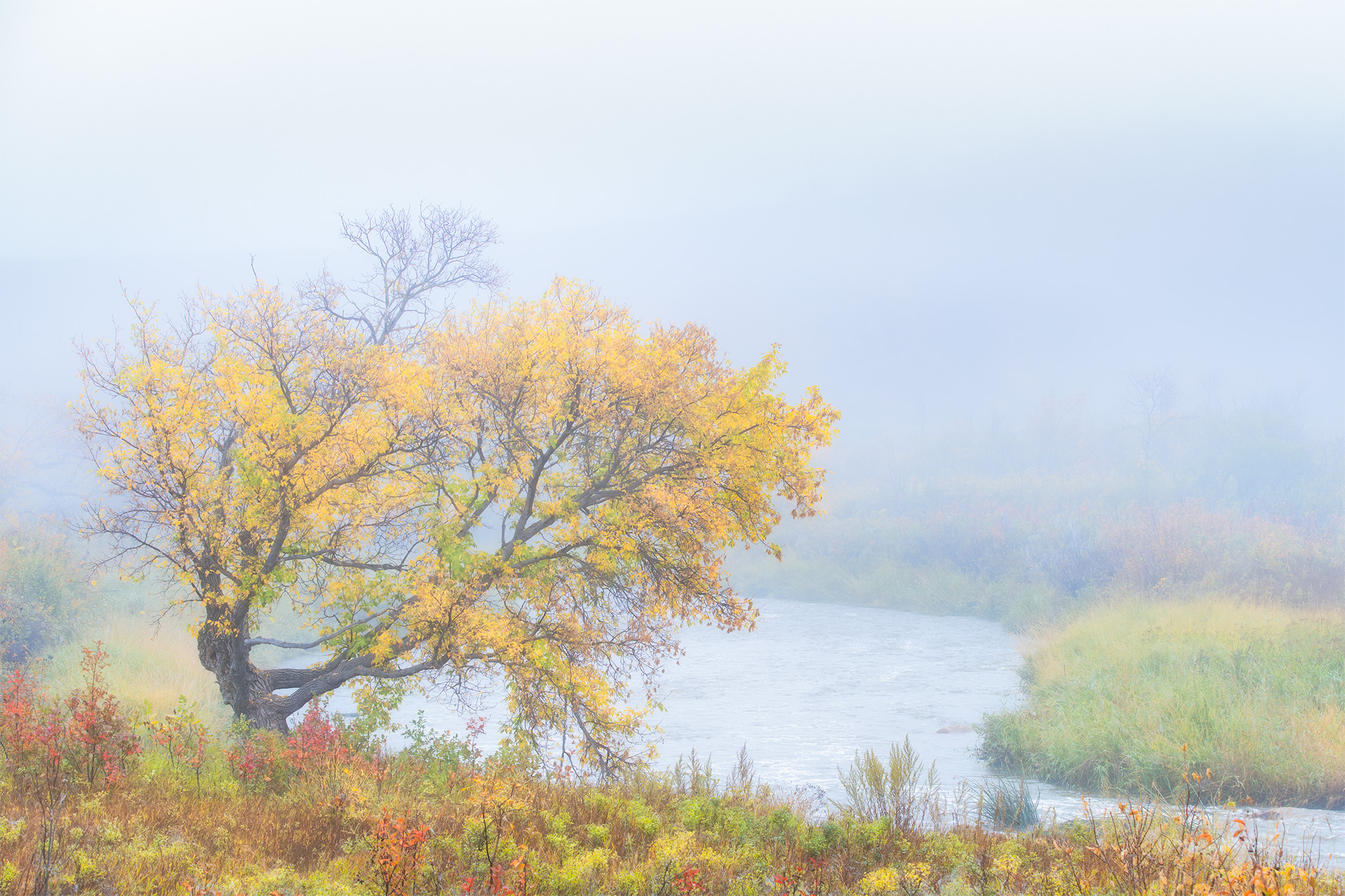
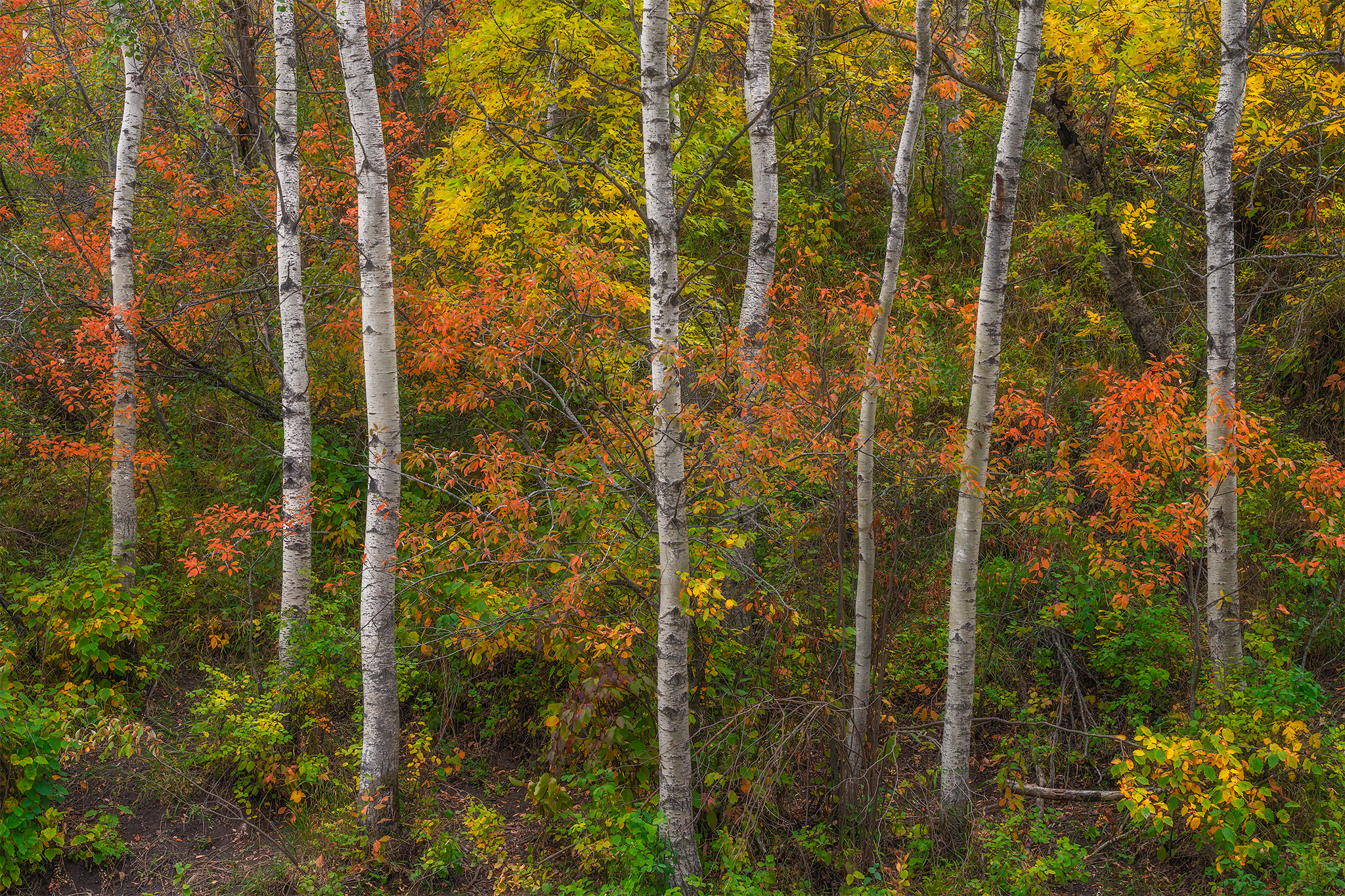
The Qu’Appelle Valley follows the winding Qu’Appelle River, offering a mix of rolling hills, lakes, and dense forests featuring trembling aspen, Manitoba maple, American elm, green ash, and bur oak.
While we’ve spent a lot of time in the lush valleys and rugged badlands of the south, that only accounts for a fraction of what this province offers. The vast majority of Saskatchewan – everything north of the “grain belt” – is a wild expanse of boreal forest, ancient granite rock, and thousands of interconnected lakes.
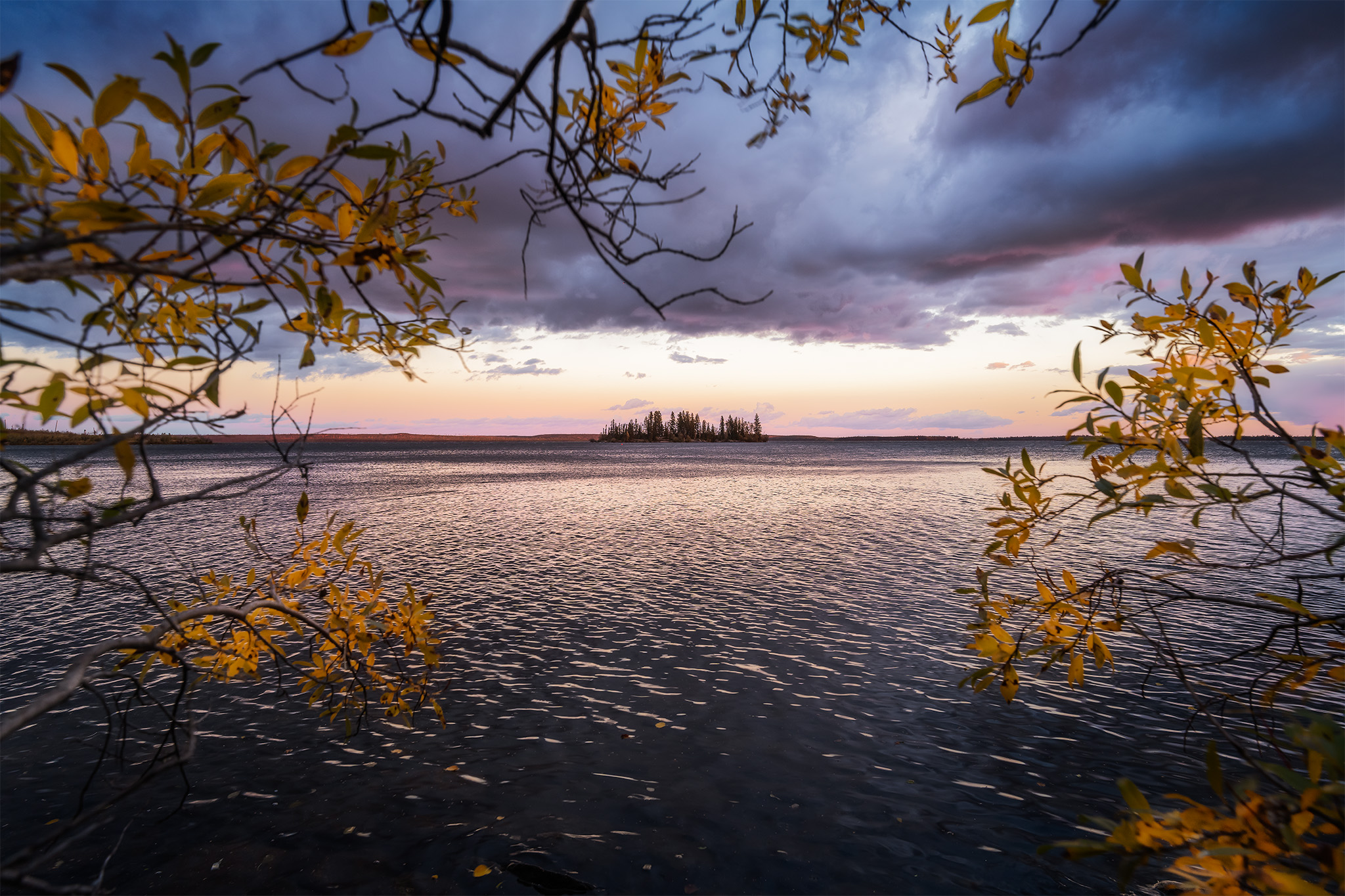
Once you pass Prince Albert National Park—the most famous gateway to our northern woods—travelling further to La Ronge offers an unforgettable transition. You’ll feel the landscape shift dramatically as the fertile plains give way to the rugged granite and ancient rock of the Precambrian Shield.
While the town of La Ronge serves as a modern hub with reliable connectivity, once you venture onto the water or deeper into the surrounding forest, cell service quickly vanishes. For the adventurous photographer, this isolation is part of the reward – offering an immense, quiet landscape of interconnected lakes and pristine Boreal forest that remains largely untouched.
North of the town of La Ronge, the highway begins to wind through the edge of the Canadian Shield.
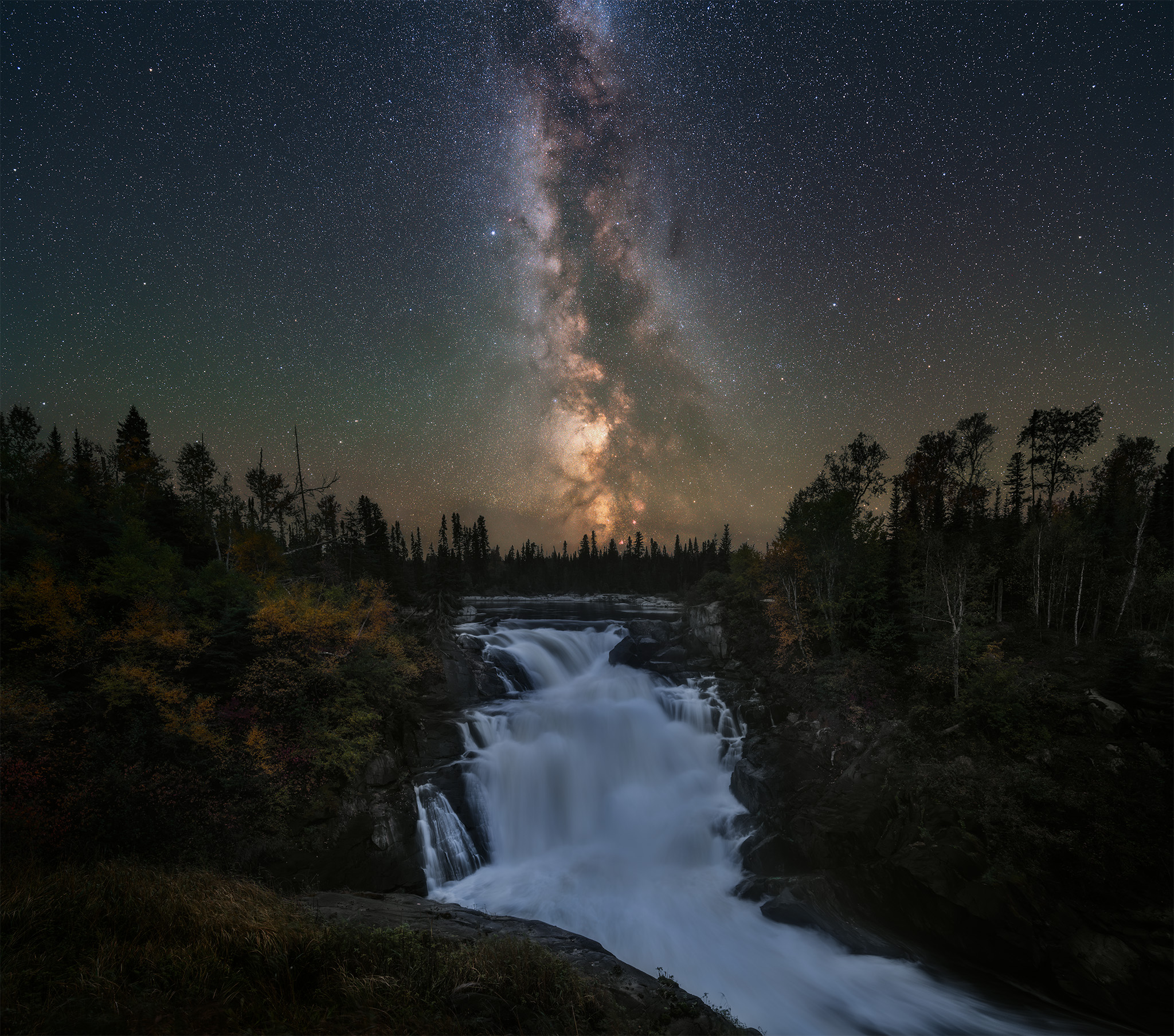
Nistowiak Falls is one of Saskatchewan’s highest and most powerful waterfalls, dropping 15 meters from Lac La Ronge into the Churchill River.
Pro Tip: I recommend booking with Churchill River Canoe Outfitters (based in Missinipe). They specialize in the logistics of this region. I worked with them in 2024 to capture the Milky Way over Nistowiak Falls, an experience that requires careful planning but yields world-class results.
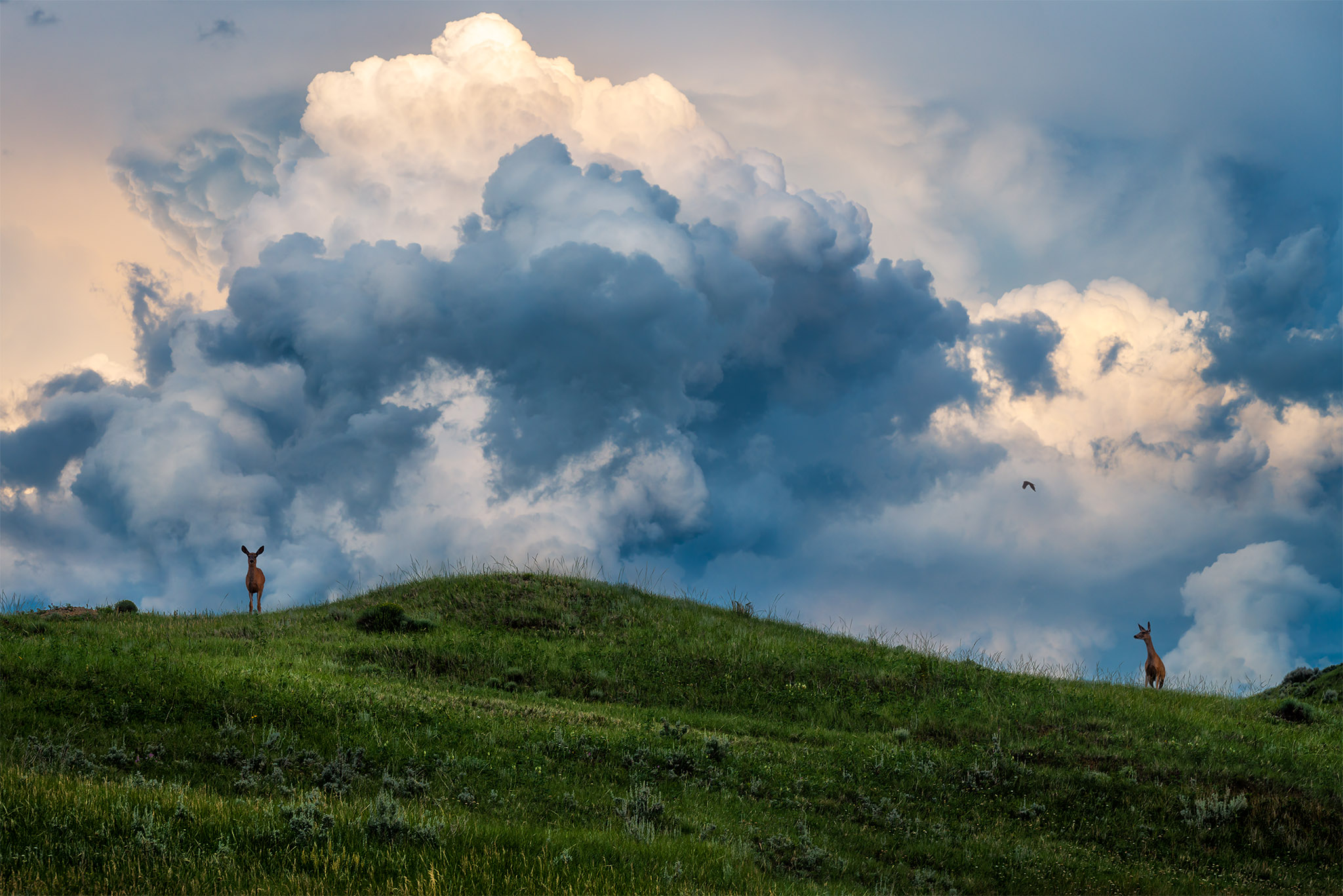
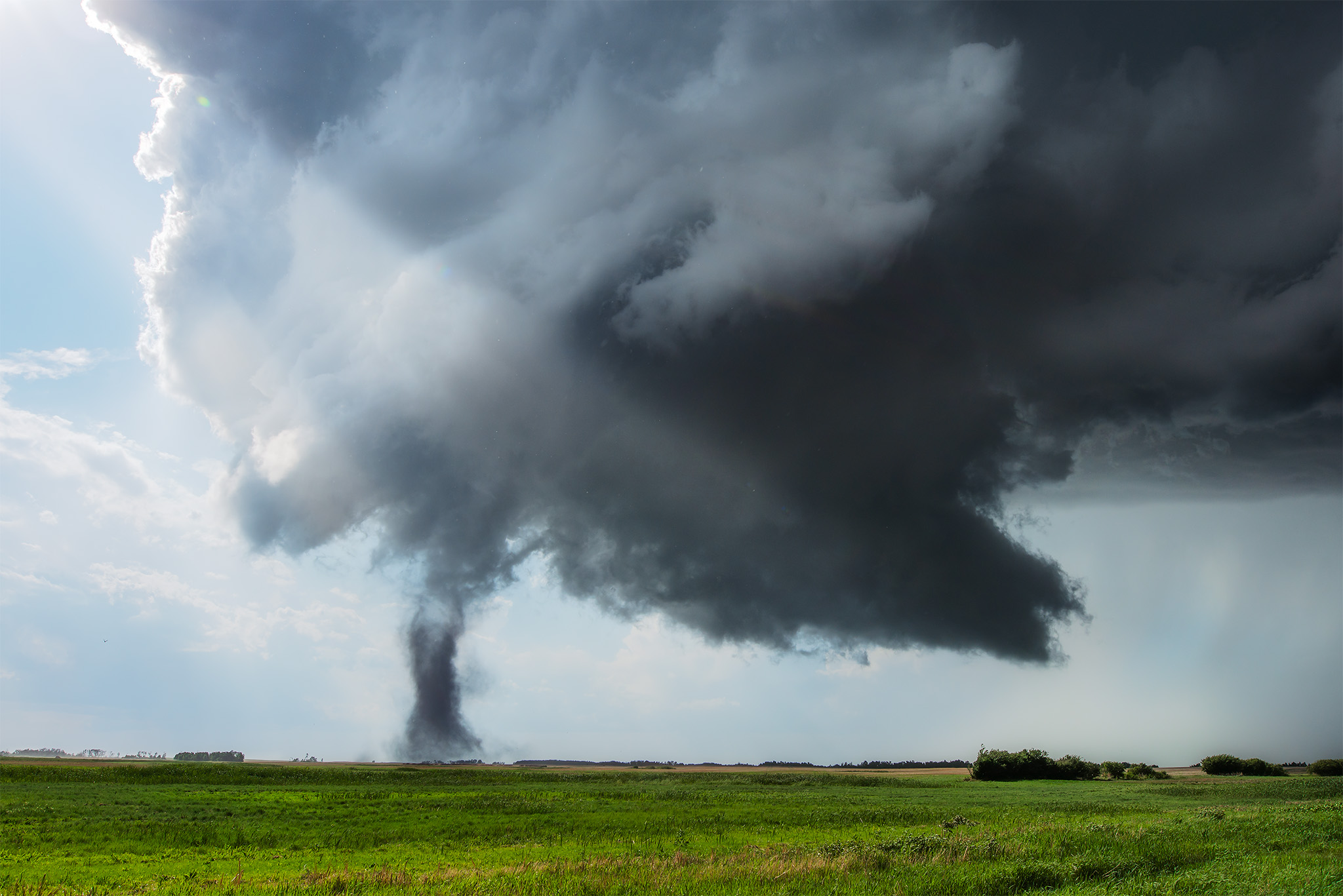
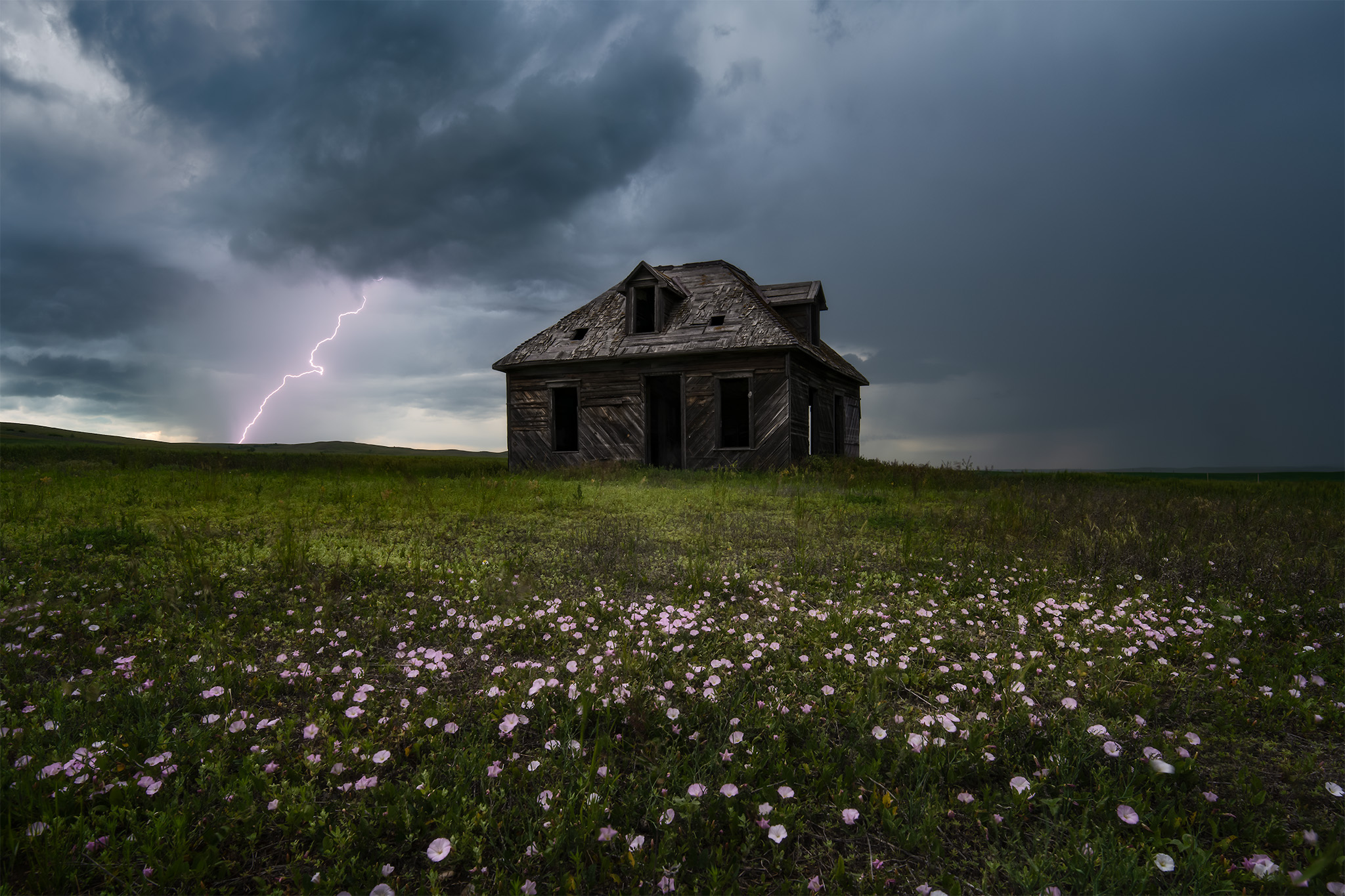
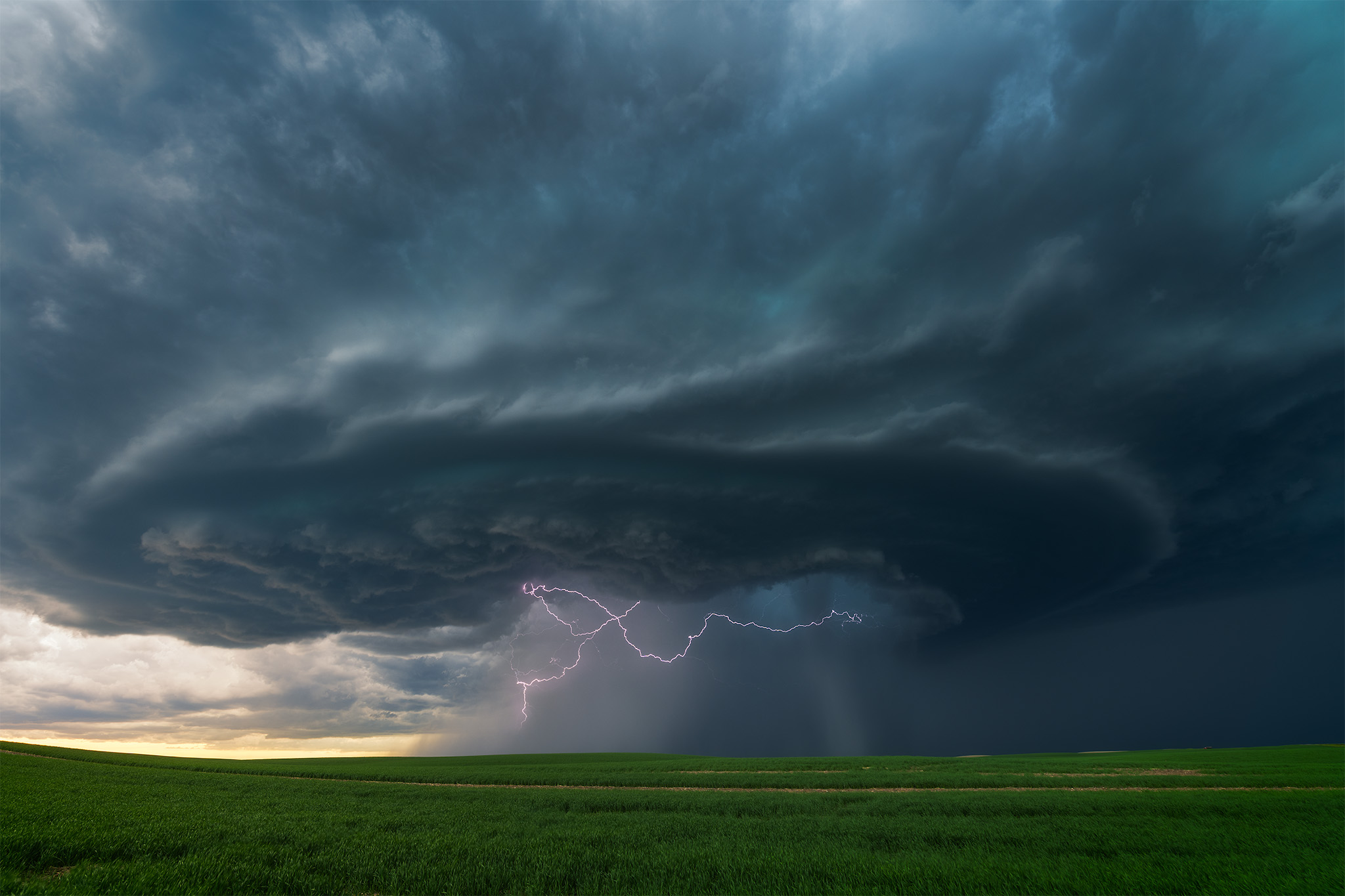
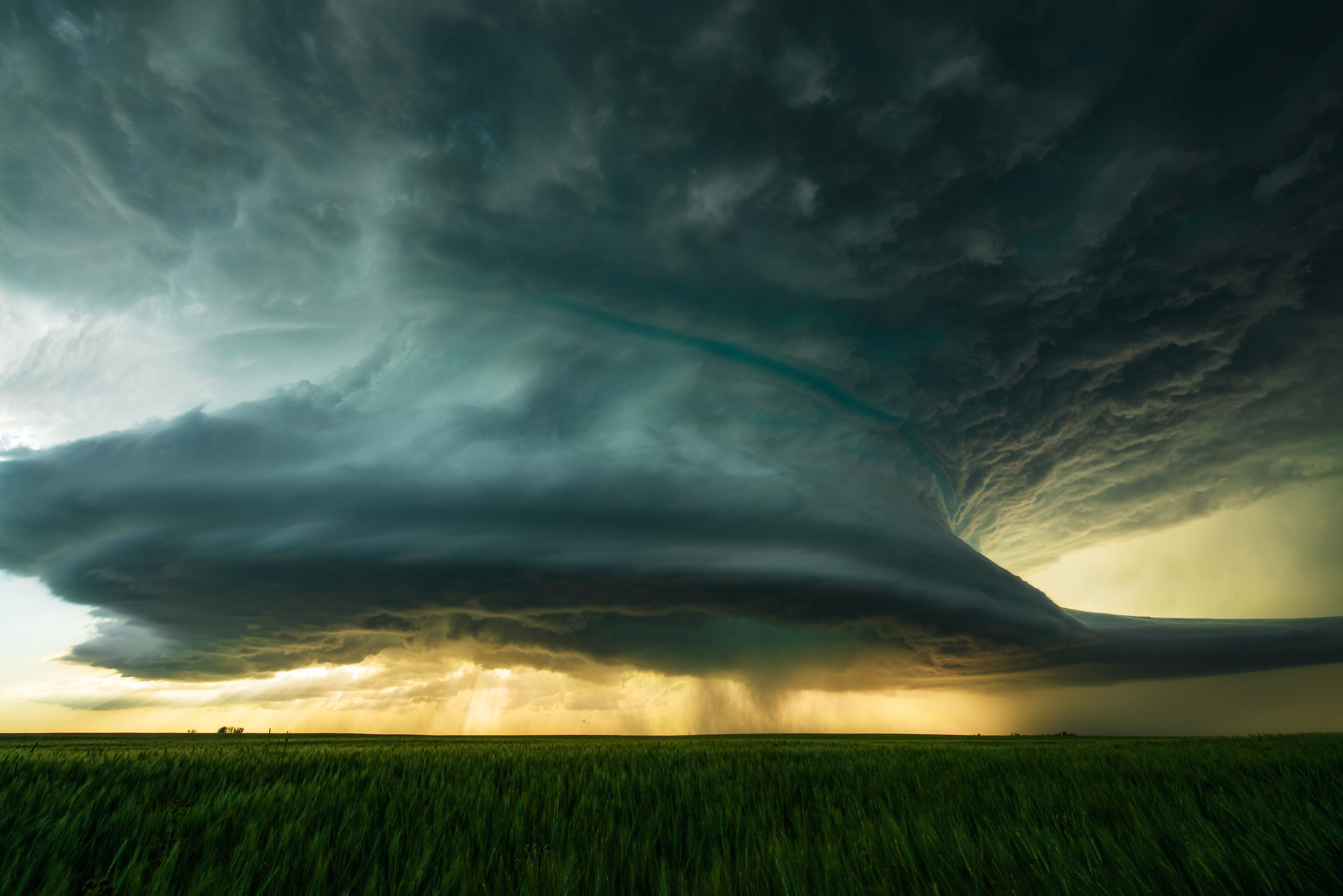
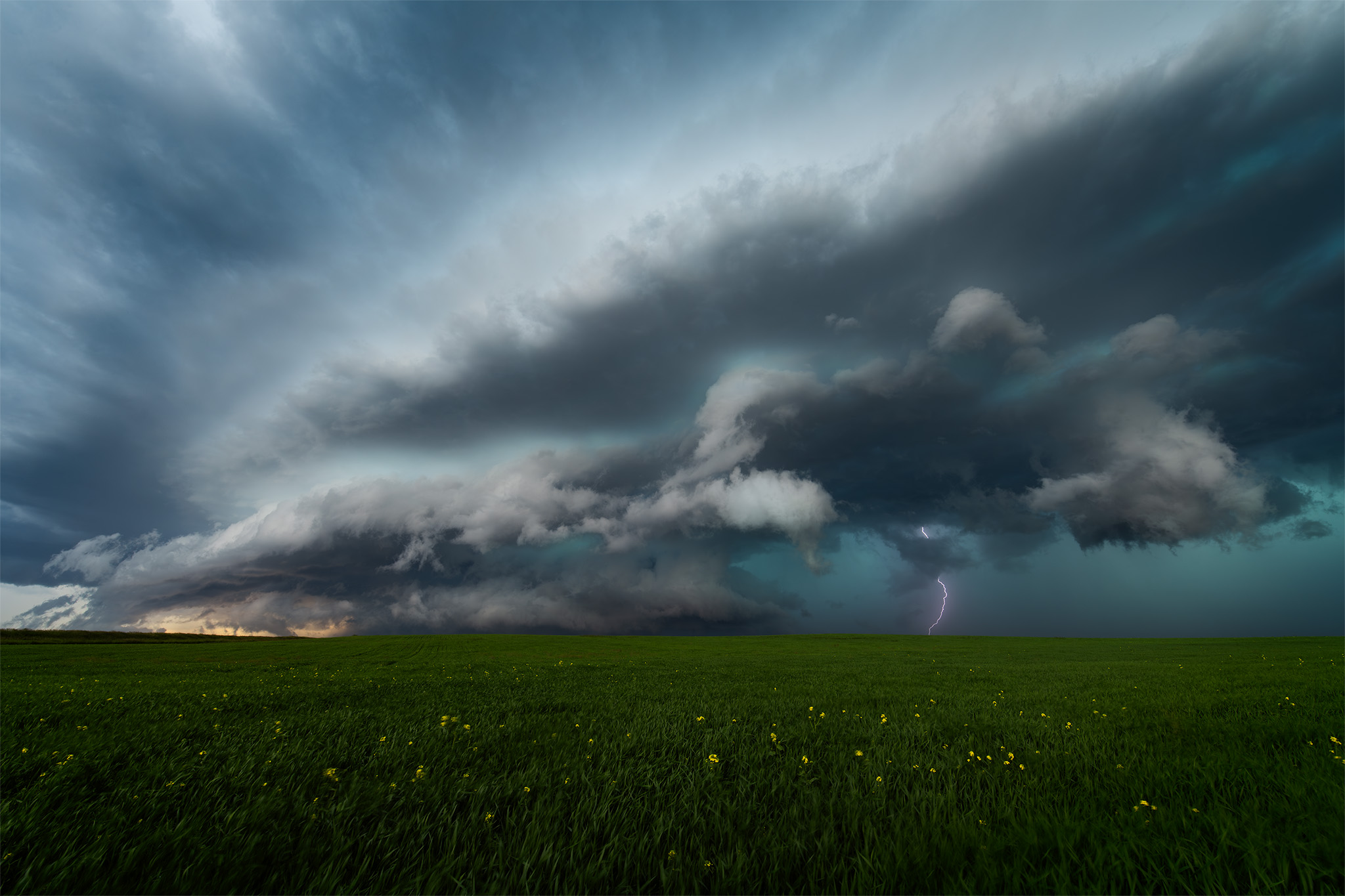
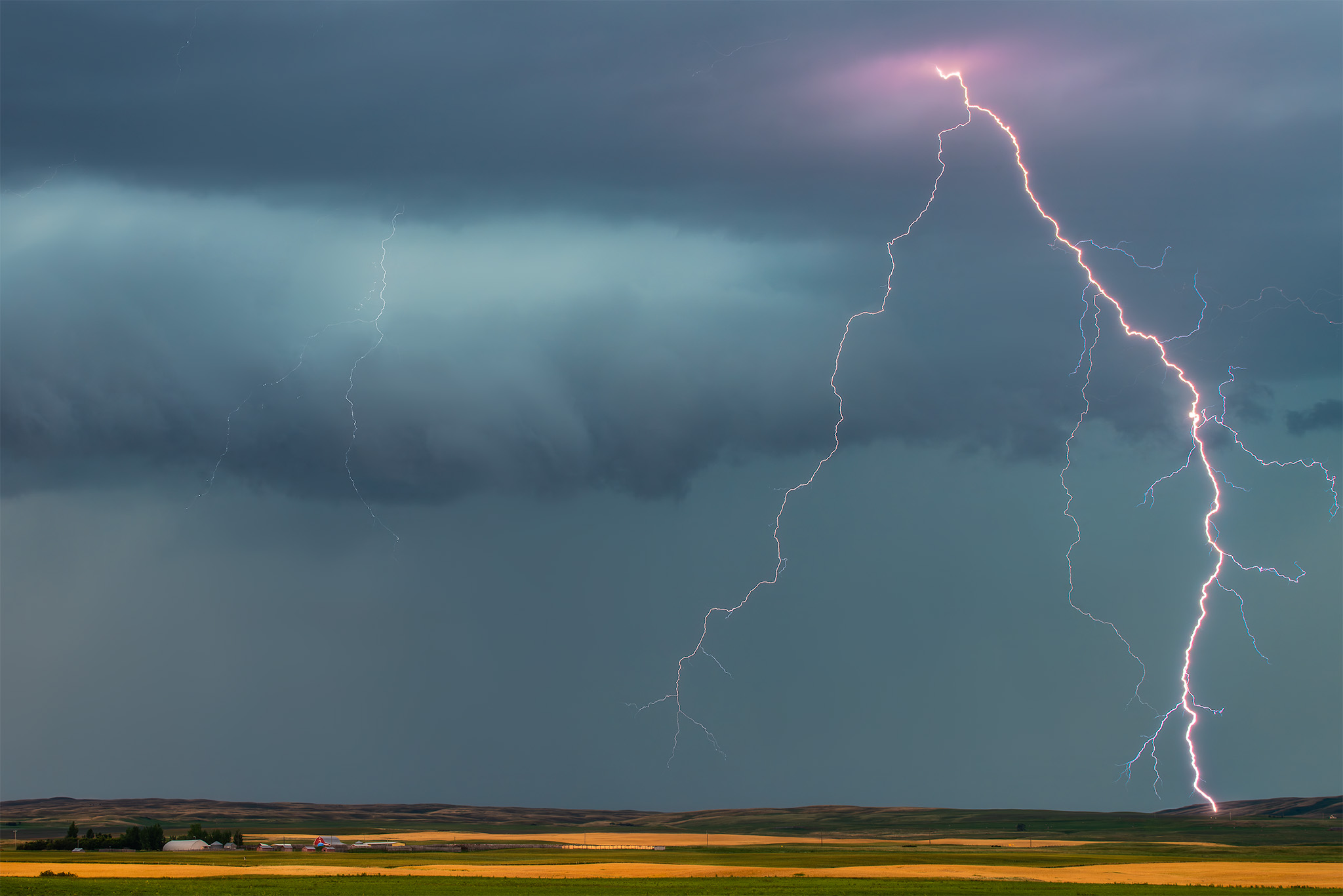
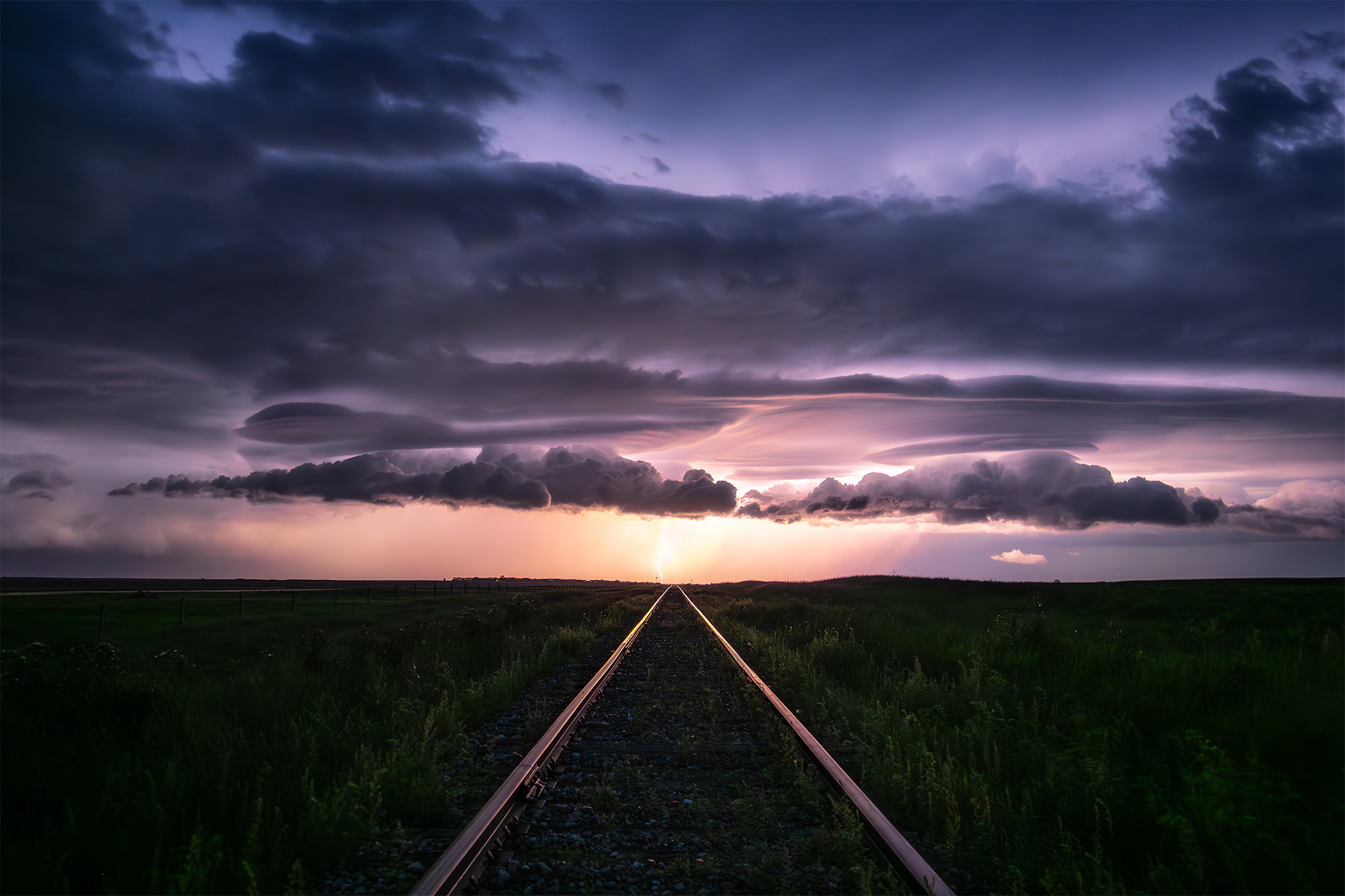
While not a specific photography location inside Saskatchewan, most are unaware that Tornado Alley reaches into Saskatchewan. Each summer, our province is transformed into a storm chaser utopia. Wide-open prairie landscapes and unrivalled rural road networks provide unobstructed views of approaching supercell storms. However, storm chasing requires careful planning and safety precautions, as severe weather poses risks to both photographers and their equipment.
I recommend staying informed about weather forecasts and road conditions, maintaining a safe distance from dangerous storms, or joining a storm-chasing photography tour to be confident you will get into the right spot for storm photography safely. For photographers brave enough to chase storms in Saskatchewan, the rewards are obvious: unforgettable opportunities to document the raw power and magnificence of the natural world.
For those who want to learn the art of storm chasing or to explore this great province without worrying about logistics, I highly recommend joining my Saskatchewan photography tours. We time our tours to experience the best of the Saskatchewan storm season, peak Milky Way season and chase the best photography conditions in the ideal locations for your tour dates so you can experience this Canadian province at its best.
Saskatchewan is a land of captivating beauty and endless photographic opportunities. From the ancient, rugged badlands of Grasslands National Park to the tranquil forests of the Qu’appelle Valley and the thundering waterfalls of the Churchill River, this province defies every “flat and boring” stereotype.
Whether you are an amateur enthusiast or a seasoned professional landscape photographer, the diversity of these landscapes ensures you will leave with images that showcase the true natural splendour of the Land of Living Skies. So, grab your camera gear, hit the road, and embark on your own Saskatchewan photography adventure.
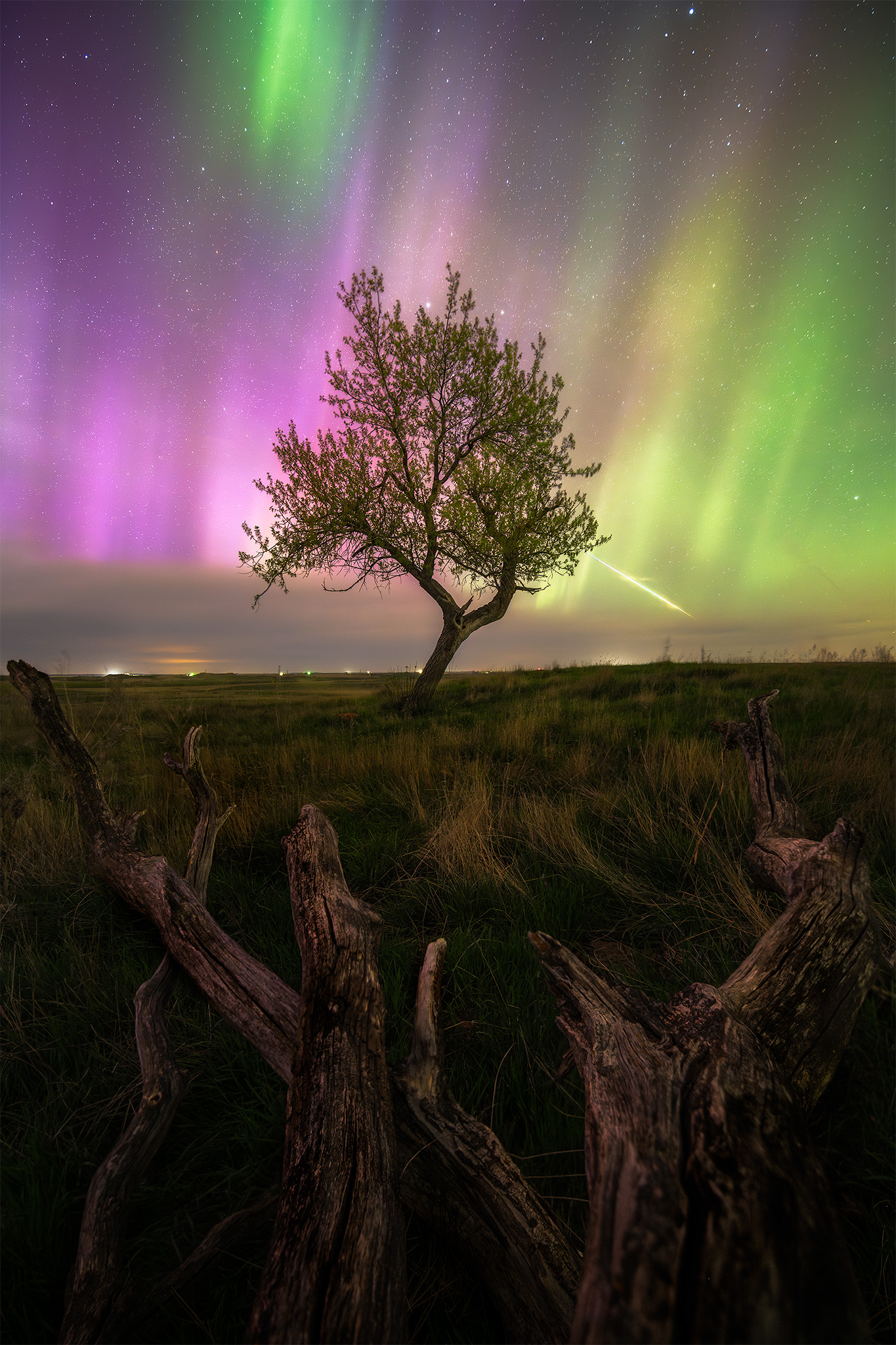
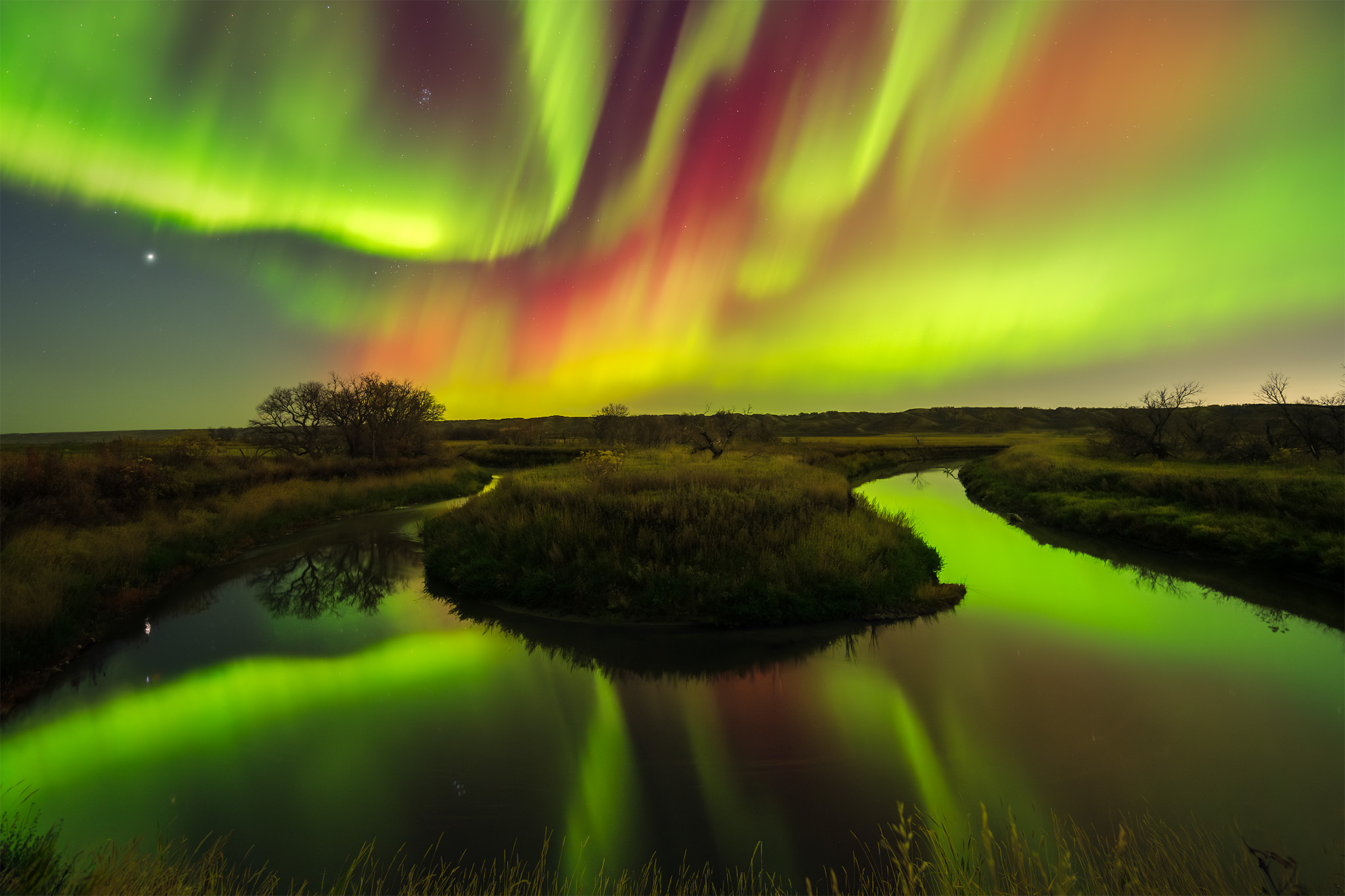
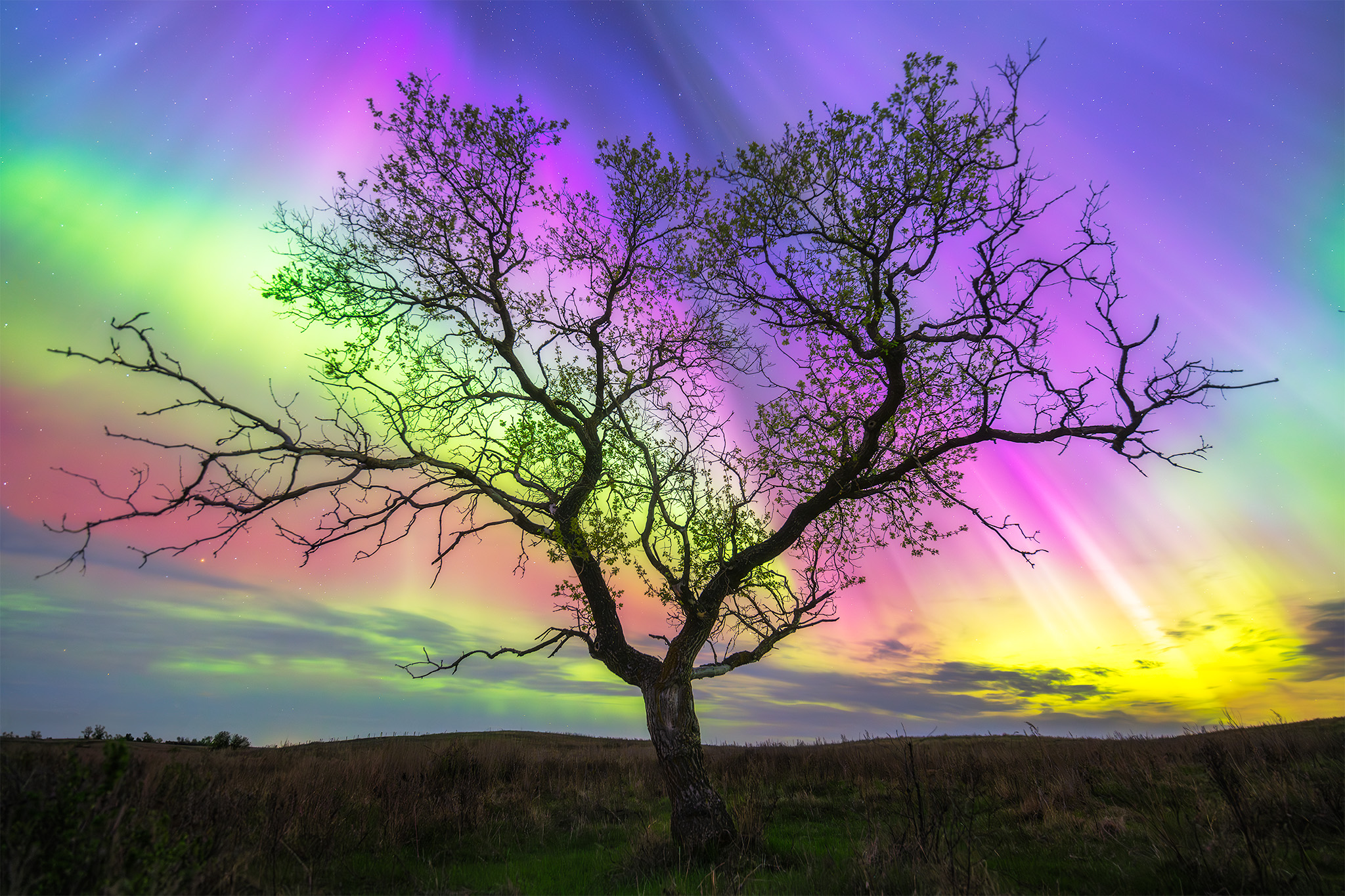
While the Aurora Borealis is visible year-round, your best chance to photograph the northern lights is during the spring (March/April) and fall (September/October) around the equinoxes. To capture the lights over a specific foreground like the Boreal forest or a Dark Sky Preserve, check the Kp-index and plan to be on location at least two hours after sunset.
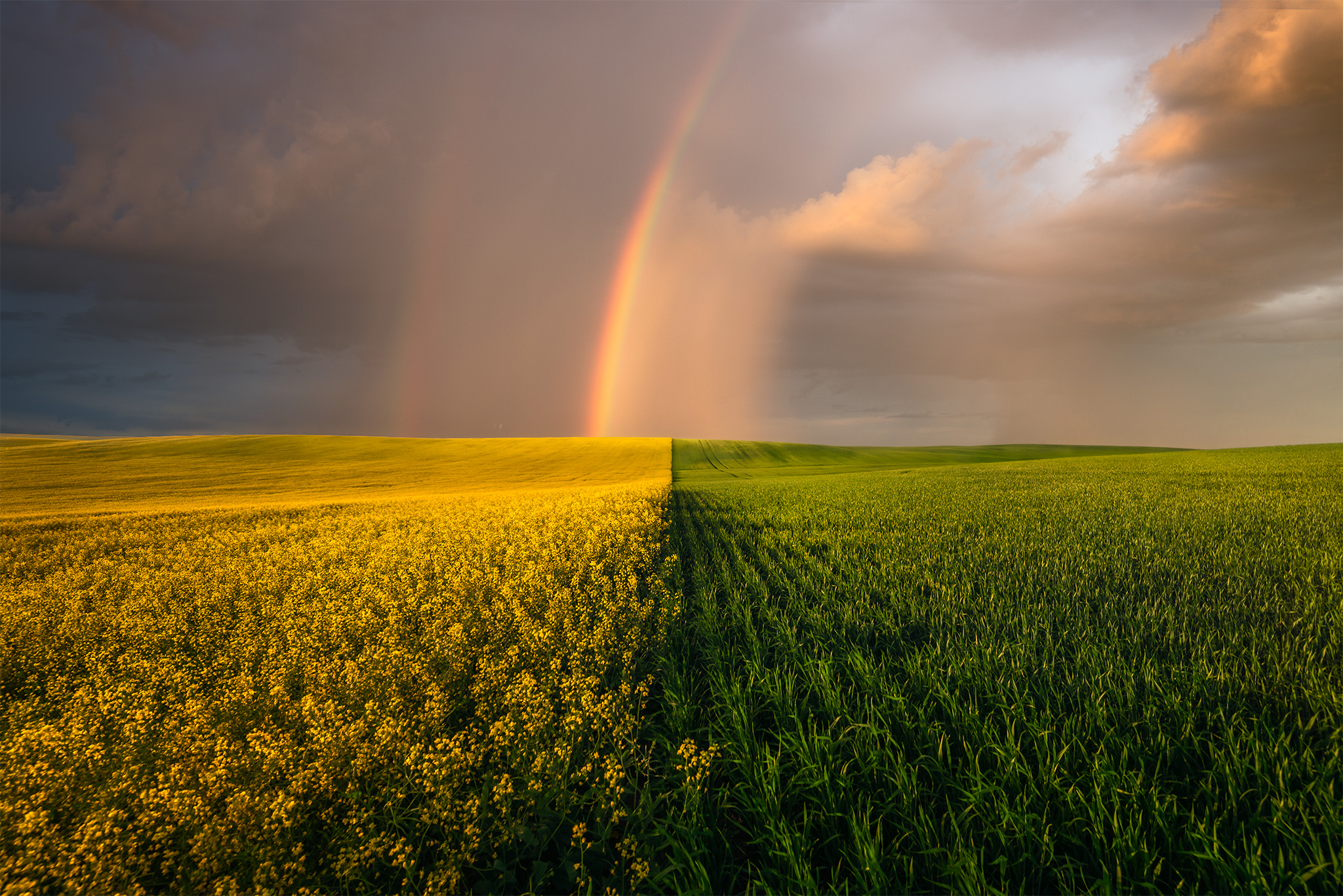
The peak season for dramatic prairie storms is June and July. During this window, warm moisture from the south meets cooler air over the prairies, creating the massive supercells and shelf clouds Saskatchewan is famous for. For the best light, look for storms that break just before sunset, which often creates an incredible “glow” against the retreating clouds.
Nistowiak Falls is not road-accessible. You must travel by boat from a community like Stanley Mission or Missinipe. Many photographers hire a local outfitter (like Churchill River Canoe Outfitters) to shuttle them and their gear across the water. It’s a “bucket list” trip that offers some of the most powerful waterfall compositions in the province.
National Parks like Grasslands and Prince Albert require a daily entry fee or a Parks Canada Discovery Pass. Provincial Parks (like Cypress Hills) also require a vehicle entry permit. However, many “hidden gem” spots like Roche Percee, Castle Butte, and The Great Sandhills are free to access, though some (like Castle Butte) have seasonal restrictions.
Beyond the major parks, many photographers seek out unique geological features like the sandstone hoodoos at Roche Percée, the active sand dunes in the Great Sandhills, or the clay formations in the Avonlea Badlands. Historic sites like the “Little Church in the Valley” near Craven, the Claybank Brickplant, or the Stanley Mission church in the north are also favourites for those looking for a mix of heritage and landscape.